
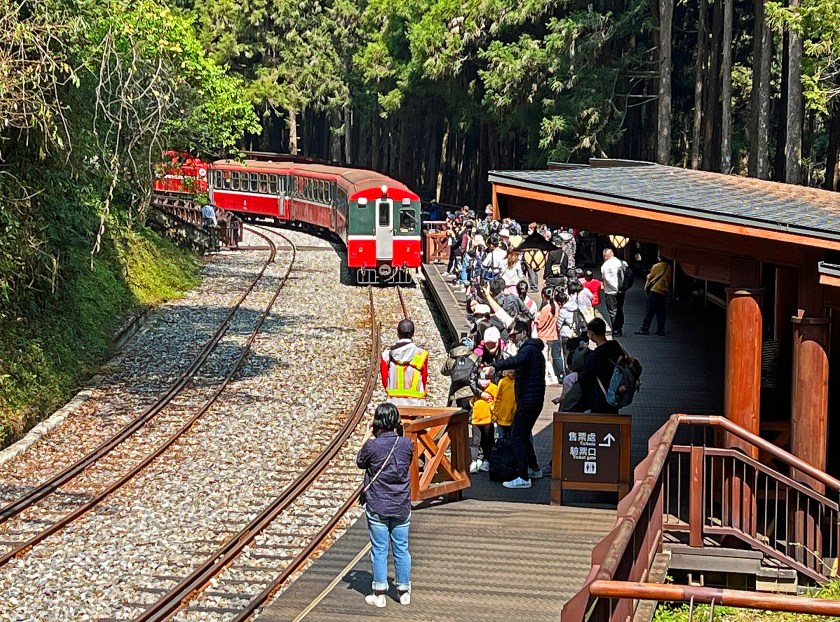
Written by Tang Meng Kit.
Image credit: Alishan Forest Railway – Alishan National Forest, Taiwan by Kirk K/ Flickr, license: CC BY-NC-ND 2.0.
Introduction
Built during the Japanese colonial era (1895-1945), Taiwan’s railway system has transformed from an instrument of imperial control into a cornerstone of national identity. Originally designed to serve Japan’s imperial ambitions, these railways spurred Taiwan’s economic, urban, and cultural development after World War II. Today, modernised and celebrated through museums, cultural parks, and events, the railway heritage symbolises national pride. It serves as a potent tool of soft power—fostering cultural exchange, enhancing global standing, and exemplifying Taiwan’s resilience.
Historical Evolution of Taiwan’s Railway System
Initially engineered to exploit the island’s resources and support governance, the Japanese developed a comprehensive network of railways, bridges, and stations, facilitating the extraction and transportation of vital resources like sugar, timber, and minerals to fuel Japan’s imperial ambitions. Today, these remnants of Taiwan’s colonial past serve as tangible testaments to its rich history. They not only provide a window into how colonial rule shaped Taiwan’s physical and cultural landscape but also offer insights into the infrastructural advancements that occurred during this period.
After World War II, Taiwan redefined its rail network to serve its post-war recovery. The government invested heavily in upgrading the railway infrastructure, aligning it with broader goals of national development and modernisation. This period laid the foundation for technological innovations, eventually giving rise to high-speed rail corridors that connected Taiwan’s urban centres. The evolution of Taiwan’s railways, from colonial networks to modern high-speed lanes, mirrors the island’s progression from colonisation to a democratic and globally engaged society. Taiwan’s ability to preserve its railway heritage while embracing innovation underscores its resilience and transformation, instilling a sense of pride that continues to inspire national development.
By doing this, Taiwan not only honours its past but also uses it as a powerful symbol of resilience and transformation. This narrative enables Taiwan to drive forward its modern development agenda and reaffirms its place on the global stage.
Railway Museums and Cultural Parks: Guardians of National Heritage
Institutions like the National Taiwan Museum’s Railway Department Park are pivotal in preserving and sharing Taiwan’s railway heritage. The museums protect historical relics, which include vintage locomotives and train cars, and blend both old materials and modern, interactive exhibits. Visitors can take historical train rides or explore digital archives, making Taiwan’s past engaging and accessible to all.
Moreover, these museums serve as educational hubs which offer programmes for various age and interest groups. Interactive workshops, seminars, and guided tours foster a deep and immersive connection with Taiwan’s history. These institutions create a shared sense of pride, offering a platform for visitors, both at home and abroad, to engage with Taiwan’s unique cultural story.
Finally, these exhibits help to shape and craft Taiwan’s unique identity by linking past achievements with present aspirations. It highlights the evolution of Taiwan’s railway system as a mirror to the island’s broader journey of modernisation and democratisation. Dynamic exhibits and events reinforce Taiwan’s ongoing story, helping the nation stay rooted in its history while embracing its future. This connection between history and modernity inspires local pride and garners admiration from global audiences.
Cultural Events and Cross-Border Collaborations
Taiwan hosts a vibrant array of cultural events that celebrate its rich railway history. The annual Taiwan Railway Festival, for instance, offers a dynamic mix of film screenings, interactive exhibits, and live performances that vividly illustrate the railroads’ impact on urban development and daily life. Art exhibitions held in historic railway stations further bridge the gap between Taiwan’s industrial past and modern creativity, prompting thoughtful reflections on both its colonial heritage and technological advancements.
Cross-border collaborations have also played a pivotal role in preserving and promoting this legacy. Deep historical ties with Japan, rooted in the colonial era, are celebrated through joint exhibitions and train exchange tours, which serve to strengthen cultural bonds and lay the foundation for future cooperative projects. These initiatives not only honour a shared past but also foster mutual understanding and cultural exchange in the present.
In addition, grassroots movements have significantly contributed to keeping the railway legacy alive. Local communities actively work to preserve historic stations, maintain old tracks, and document personal stories related to the railroads. These efforts ensure that Taiwan’s railway heritage remains a living part of its cultural identity, accessible and engaging for both domestic audiences and international visitors.
Taiwan’s Railway Heritage: A Key Element in Soft Power Strategy
Taiwan’s railway heritage plays a significant role in its soft power strategy, symbolising the nation’s transition from colonial subjugation to modern innovation. Initially built during Japanese colonial rule for resource extraction, the railway infrastructure now represents Taiwan’s resilience, adaptability, and creative reinvention.
The railway heritage acts as a cultural bridge, fostering shared history and mutual understanding through joint projects with Japan, such as collaborative exhibitions and train exchange tours. This form of cultural diplomacy enhances Taiwan’s global image, demonstrating its ability to value both tradition and innovation while fostering connections across cultures.
Heritage tourism plays a crucial role in stimulating local economies. Converting rail routes and stations into cultural landmarks attracts tourists, supports local crafts, and creates vibrant public spaces. By integrating culture with commerce, Taiwan highlights its commitment to sustainable development and community empowerment, reinforcing its soft power and attractiveness.
In a complex geopolitical environment where formal diplomatic avenues may be limited, Taiwan’s focus on cultural assets provides a non-confrontational means of international engagement. Emphasising shared cultural narratives and highlighting nostalgia allows Taiwan to build relationships based on mutual respect and heritage rather than politics or economic power.
Balancing National Pride with Colonial History
However, Taiwan’s railway heritage also carries the burden of its colonial past. The railways were initially constructed to serve Japan’s imperial ambitions, often at the expense of local populations. Without addressing this darker history, Taiwan risks oversimplifying or whitewashing past injustices, potentially obscuring the exploitation and hardships endured during the colonial period.
Focusing too much on progress and technological achievements can lead to a nostalgic view that neglects unresolved historical issues. To present a more balanced narrative, cultural programmes and museums must critically reflect on both the positive and negative aspects of Taiwan’s railway history. If the narrative becomes overly polished or one-sided, it may appear superficial, undermining the authenticity needed for effective cultural diplomacy.
While cultural heritage plays a key role in enhancing Taiwan’s soft power, it does not directly address pressing geopolitical or economic challenges. Over-reliance on cultural narratives alone may not fully address the complex realities of Taiwan’s international relations.
Taiwan’s railway heritage can be a powerful tool for soft power if approached with transparency and depth. It has the potential to inspire and connect through its cultural and economic contributions, but its success depends on balancing celebration with critical reflection. By acknowledging the complexities of its colonial past while highlighting its journey of transformation, Taiwan can craft a more nuanced, authentic narrative that resonates both locally and internationally.
Conclusion
In conclusion, Taiwan’s railway heritage is more than just a historical relic—it’s a dynamic symbol of the nation’s resilience, transformation, and soft power. From its origins as a tool of colonial control to its modern-day reinvention as a cultural and economic asset, the railway system embodies Taiwan’s journey from subjugation to innovation. By blending the preservation of its past with forward-thinking initiatives, Taiwan harnesses the power of its railway legacy to foster cultural exchange, stimulate local economies, and strengthen international relationships. However, for this heritage to truly resonate, it must acknowledge both its triumphs and its darker colonial past, ensuring a nuanced and authentic narrative that connects with audiences worldwide. Taiwan’s railway heritage, when approached with balance and integrity, will continue to be a compelling force in shaping its global identity and soft power.
Tang Meng Kit is a master’s student in the MSc in International Relations Programme at the S. Rajaratnam School of International Studies (RSIS), Nanyang Technological University (NTU), Singapore. His research interests include cross-Strait’s relations, Taiwan politics and policy issues and aerospace technology. He currently works as an aerospace engineer.
 Taiwan Insight