Singing for the Mountain Lands: A Pivotal Indigenous Music Concert in Taiwan

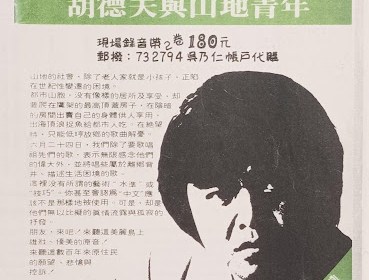
Written by Eric Scheihagen. The author illustrates the 1984 Singing for the Mountain Lands concert in Taipei, organised shortly after the Haishan Coal Mine Disaster, which killed mostly Amis miners. It details how Indigenous musicians and activists, led by Hu Defu, used the concert to raise funds and publicly address discrimination, harmful stereotypes, and political issues. The event became an important milestone in Taiwan’s growing Indigenous rights movement and helped catalyse later organising efforts, including the formation of the Taiwan Association for Promoting Indigenous Rights.

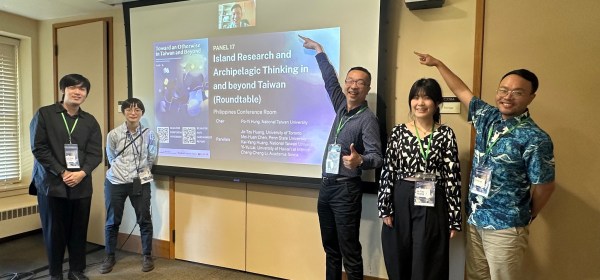
​​​NATSA 2025 Conference Note: ​​A Cross-Cultural Literary Dialogue Against the Mainstream

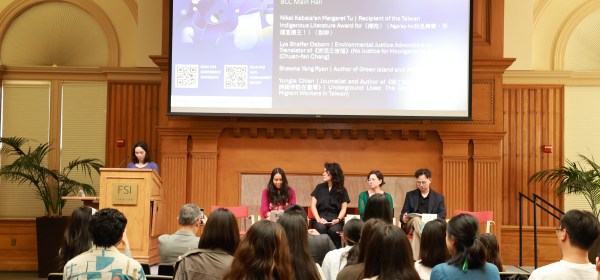
Written by Yun-Pu Tu. This article reflects on the “Otherwise Literature: Against the Mainstream” panel, a collaboration between NATSA and the National Museum of Taiwan Literature, which explored how storytelling bridges cultures and challenges dominant narratives. Featuring writers and translators including Shawna Yang Ryan, Lya Shaffer Osborn, and Yung-ta Chien, the event highlighted the power of words and storytelling to connect communities and imagine Taiwan otherwise.

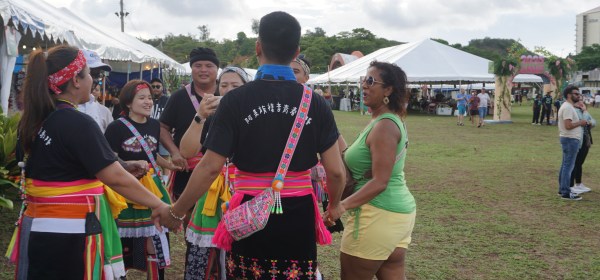
The Island Is Our Canoe: Taiwan–Guam Exchange Finds Connection Beyond the Stage

Written by Eloise Phillips. This article examines the 2025 Taiwan–Guam cultural exchange, led by Taiwan’s National Museum of Prehistory, which wove song, canoe building, and shared practices into island diplomacy. Through workshops, performances, and informal encounters, the program connected Austronesian communities across the Pacific, highlighting resilience, mutual reclamation, and living traditions of cultural practice, language, and art.

Indigenous Identity in Taiwan’s Contemporary Cinema: From Screen to Self

Written by Ana Paloma Martínez Gómez. This article explores how Indigenous identity is portrayed on screen and how film supports cultural revitalisation and self-representation through a decolonial and gendered lens. As a new Taiwanese national identity emerges, the gap between official recognition and ongoing cultural marginalisation reveals the complex space Indigenous communities occupy.

Religious Transnationalism and Historical Narratives of Taiwan Indigenous Peoples during the 1995 Taiwan Strait Crisis  

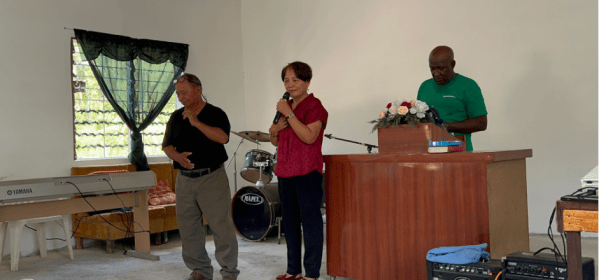
Written by Fasa’ Namoh. This article explores how charismatic Christian prophecy shaped the 1990s migration of Paiwan families from Taiwan to Belize. Drawing on multisited fieldwork in Belize, Taiwan, and the United States, the research examines how religious landscapes and cultural memory are reterritorialised through cross-cultural encounters and diasporic practices.  

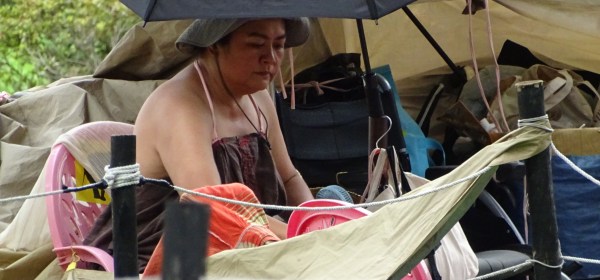
Group Photos (Hezhao) and the Depoliticisation of Indigeneity in Taiwan 

Written by Aaron Su. This article discusses the crucial role of photography in consolidating a liberal multicultural order in Taiwan by obscuring dissent through visual depictions of harmonious Indigenous life. Drawing on fieldwork at Taiwan’s Cultural Health Stations, the author shows how photography portrays Indigenous satisfaction with current health policies, leaving little room for the everyday pressures, demands, and disputes.

Co-Weaving Taiwan Ecological Network – Satoyama in Practice 

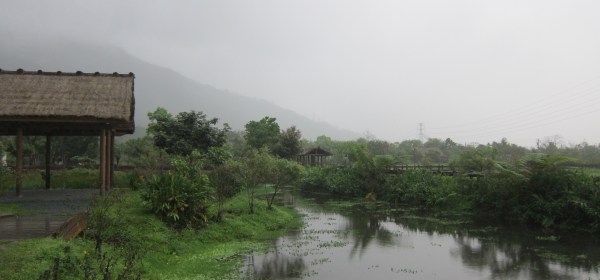
Written by Paulina G. Karim. This special issue, co-produced by Taiwan’s Forestry and Nature Conservation Agency and the Taiwan Partnership for the Satoyama Initiative, presents a “3-in-1” people-centred conservation strategy combining the Taiwan Ecological Network, Community Forestry, and Satoyama approaches. It shows how Indigenous and local communities steward the island’s bio-cultural landscapes.

Siraya Groups Take Stand Against KMT Effort to Deny Indigenous Recognition to Pingpu Groups

Written by Brian Hioe. Siraya civil society groups oppose a KMT proposal to create a “Pingpu Indigenous” category, arguing it undermines their full legal recognition mandated by a 2022 Constitutional Court ruling. The debate reflects ongoing struggles over identity, resources, and recognition amid shifting political dynamics and the KMT’s efforts to defund Indigenous institutions.

Revisiting Research: Indigenous Peoples as Non-State Diplomatic Actors in the Public/Cultural Diplomacy of Taiwan 

Written by Dr Carla Figueira. This article reflects on the 2024 IJTS Open Access Award-winning paper, “Indigenous Peoples as Non-State Diplomatic Actors in the Public/Cultural Diplomacy of Taiwan: A Case Study of Dispossessions: Performative Encounter(s) of Taiwanese Indigenous Contemporary Art.” It highlights the value of engaging with the personal and social contexts shaping research outputs. It celebrates the growing academic focus on Indigenous Peoples and cultural diplomacy, foregrounding Taiwan’s unique position.

1 2 3 10