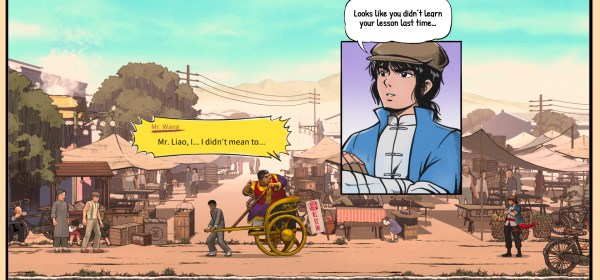
The History of Comics in Taiwan: 1940s to 1980s

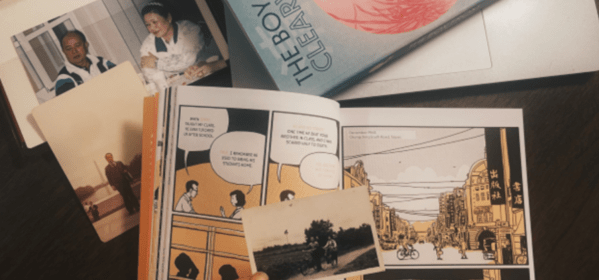
Written by I-Yun Lee. This article is an overview that traces Taiwanese comics from Japanese colonial to post-war Taiwan, the rise of rental comics, and the severe censorship that stifled creators from the 1960s to the 1980s. Shaped by colonial importation, market demand, and state control, Taiwan’s comic history emerges as a story of negotiation and constraint.

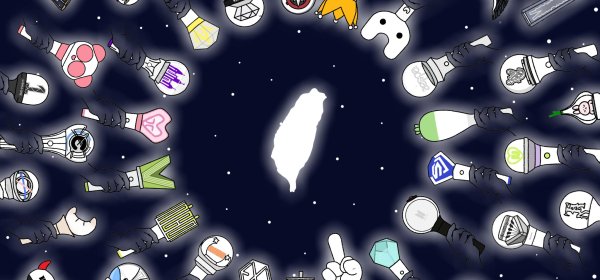
Taiwan Is My Favourite: K-pop Fans in The Bluebird Movement 

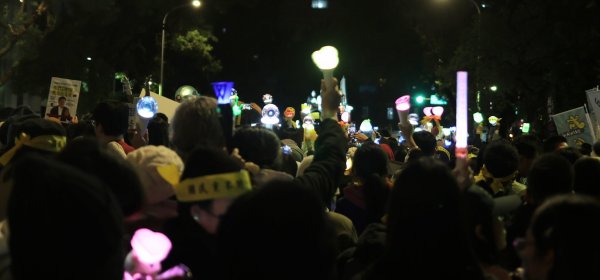
Written by Lorraine Pan. This article discusses K-pop and the use of lightsticks in the Winter Bluebird Movement in Taiwan in December 2024. Taiwanese K-pop fans used lightsticks to express their political views, drawing inspiration from similar actions in South Korea. Pan argues that the movement showcased the fan community’s power and challenged negative perceptions, highlighting their active engagement in political issues.

Food is politics, and so is travel. 

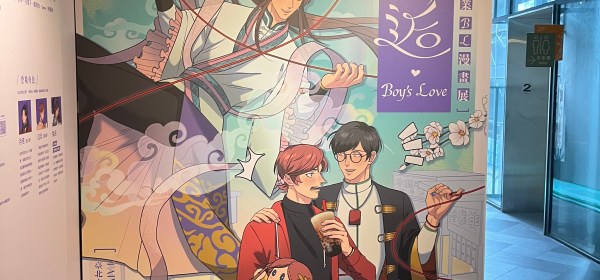
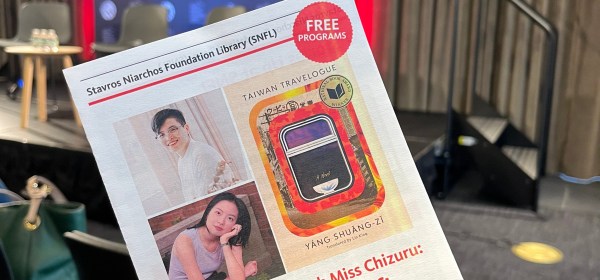
Written by Chee-Hann Wu. This article discusses Taiwan Travelogue and its US book tour earlier this year. It highlights the controversial marketing strategy, the extensive use of footnotes to enrich the historical context, and the categorisation of the novel as queer literature due to the evident, though subtle, romantic undertones between the two female protagonists.

Black Cat and Black Dog: Gendered Modernity and Youth Identity in Colonial Taiwan

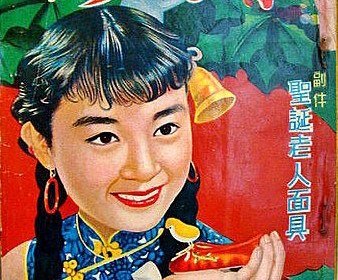
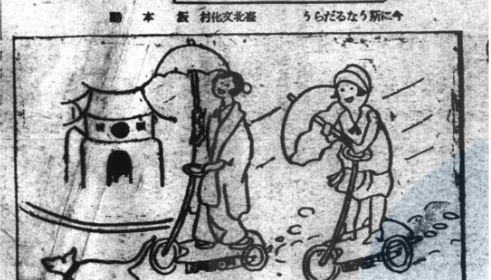
Written by Wei-chi Chen. This article explores the terms “Black Cat” and “Black Dog” in colonial Taiwan during the 1920s and 30s. These terms, originating from a Taiwanese opera song, were used to translate the Japanese “moga” and “mobo,” describing emerging gender identities and a new social identity in modern urban culture. They also reflected a shift towards liberation and a contrast with existing gender norms at that time.

2024 Taiwan Theatre Report: A Gray Area

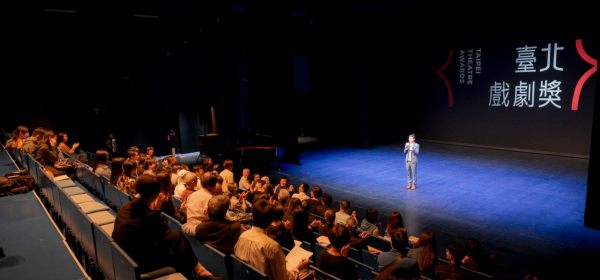
Written by Yi-Ping Wu. The 2024 Taiwan Theatre Report analyses the trends in Taiwan’s theatre scene, highlighting the rising popularity of musicals and comedy while addressing the impact of the #MeToo movement. Finally, the government’s launch of the Taipei Theatre Awards signals institutional support, even as the industry faces challenges balancing commercial success with artistic and social responsibility.

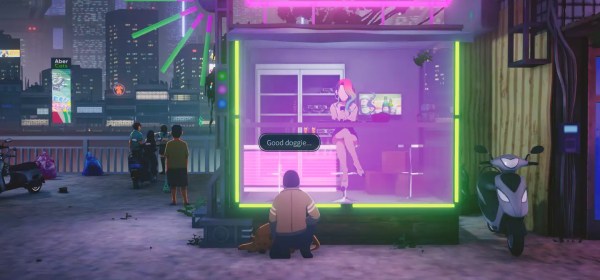
Digital Cultivation: How Taiwan’s Video Games Transform Wuxia into Cultural ‘Internal Power’ (Part 1) 

Written by Mark G. Murphy. This article explores how Taiwan’s video games use wuxia mythology to build cultural identity and soft power. The games weave local legends with historical events, focusing on themes of resistance, spiritual growth, and rootedness. The author argues that the practice of “cultivation” – developing inner strength – should be interpreted broadly, linking it to Taiwan’s cultural memory and landscapes. This allows players to engage deeply with Taiwanese culture, blending myth and real-world settings to reinforce collective identity and memory. Importantly, this means soft power becomes a kind of internal power, a key principle in wuxia philosophy.

“Be My Guest”: How Taiwan Is Using Social Media Influencers for International Engagement

Written by Chiaoning Su. This article discusses how Taiwan is leveraging social media influencers for nation branding as part of its public diplomacy efforts. While current initiatives effectively promote Taiwan’s democratic values and openness, the government needs to address several key issues, such as defining a clear target audience, fostering bottom-up partnerships with foreign influencers, and navigating geopolitical challenges.

1 2 3 5