Tsai’s Cross-Strait Policy: One China, Evolving Strategies

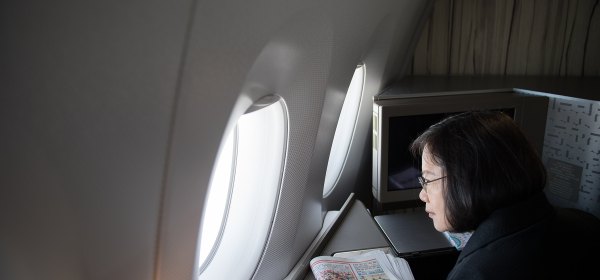
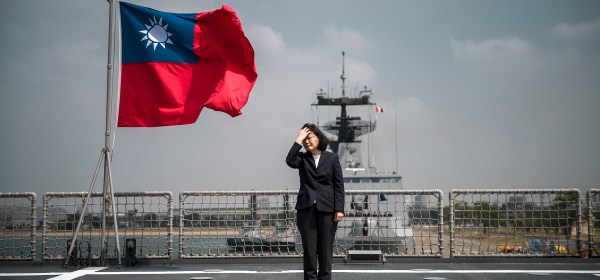
Written by Jeremy Huai-Che Chiang. Tsai and the DPP currently see China as a destabiliser not only in cross-Strait relations, but also the global order. Tsai, however, has still stuck to her policy of maintaining the status quo. Besides diversifying the country’s economic networks through the New Southbound Policy, Tsai’s administration has also built ties with like-minded democracies such as the US, EU and its member states, Japan and Australia. These efforts help build international support for Taiwan’s continued autonomy.

Han’s Cross-Strait Policy: Peace, Prosperity, and “No Politics”

Written by Jeremy Huai-Che Chiang. The KMT is tied to the idea that peace with China is the only way out for Taiwan, and should be maintained despite its heavy political costs. This has led them to avoid openly refuting Xi’s infringement of the “1992 Consensus” in January 2019, instead placing significant focus on the domestic opinion front against it being associated with Beijing’s framework. For Han and many in the KMT, China is a non-issue, and putting too much constraints on this will only cost Taiwan’s future. Economic ties with China are crucial and necessary.

The China Factor in Taiwan’s 2020 Election and Beyond

Written by T.Y. Wang. Taiwan’s citizens will go to the polls on 11 January 2020 to elect their next president and members of parliament. Like previous elections, the shadow of China looms over the island’s politics. History, however, may have repeated itself as Beijing has revived the electoral prospects of a candidate it disapproves. The implications go beyond the island country’s upcoming presidential election.

Slowly Stepping out from China’s Economic Shadow: Taiwan’s New Southbound Policy

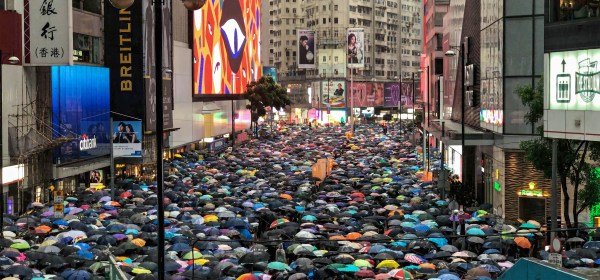
Written by Winnie King. As recent polls suggest that Tsai will retain her role of president, many commentators point to the six month long (and counting) protests in Hong Kong, the 18-month long (and counting) trade war between the United States and Mainland China. We cannot however, ignore successful policies adopted during Tsai’s tenure as leader—most significantly her iteration of the New Southbound Policy (NSP)—and the contribution this has made towards diversifying Taiwan’s economy beyond that of cross-Strait relations.

Distraction Capitalism: Why We Might Hope that the Presidential Elections are not Based on China-Hong Kong Regional and Global issues

Written by  Hsin Hsin Chang and Ian Inkster. More globally and problematically, if the Hong Kong element should indeed serve to determine outcomes, then it may be seen as the leading non-western component of a general global trend to distraction capitalism, where democratic processes that should revolve around general and fundamental social and economic policies are squeezed out by rhetorical clamour focusing on personalities, external events and one overwhelming internalised but badly digested issue.

China’s Interference in Taiwan’s Elections: Responses from Taiwan and the US

Written by Yu-Hua Chen. In January 2020 Taiwan will elect its president for the next four years. Incumbent president Tsai Ing-wen warned in an interview that “China’s attempt to meddle in this upcoming presidential election…is very obvious. We can see the shadow of Chinese meddling in every important election of Taiwan.” Although China denied the allegation, respectable research and reports provide evidence of how Beijing sways Taiwan’s elections and political processes.

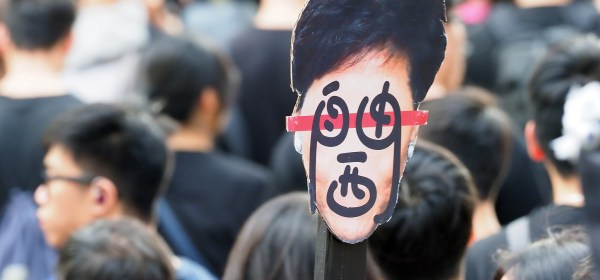
Carrie Lam is Failing Hong Kong

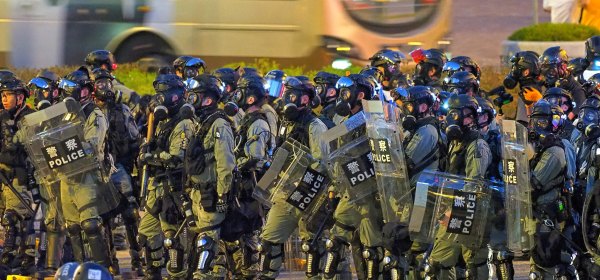
Written by Gerrit van der Wees. I just finished watching a powerful video of a street singer standing on a street corner in Hong Kong, singing pro-democracy songs. Some policemen moved in to stop him from singing, but despite the menacing position of the police, the presence of a surrounding crowd prevented them from acting. In the end, the singer wins, and the police lose.

Understanding and Fostering Hong Kong-Taiwanese Solidarity

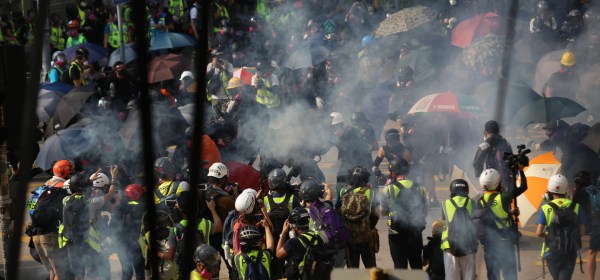
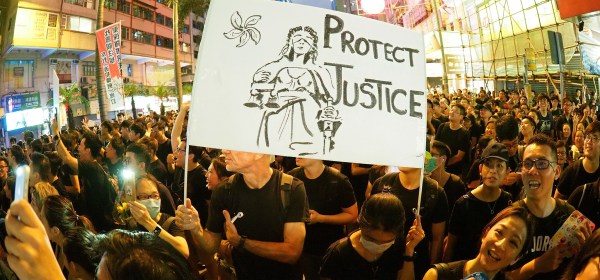
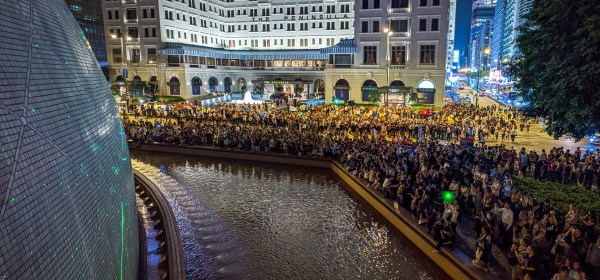
Written by Milo Hsieh. As the protests in Hong Kong continue, Hong Kongers and Taiwanese around the world have demonstrated a surprising level of solidarity. Taiwanese have mobilised to send protest gear to Hong Kong, and coordinate activists to speak at events, organise protest support rallies and create “Lennon Walls” to raise awareness. But just what explains such spontaneous, global demonstrations of Hong Konger-Taiwanese solidarity?

Extradition Wars: How the Chinese and Hong Kong Governments Fell into a Trap They Laid for Taiwan

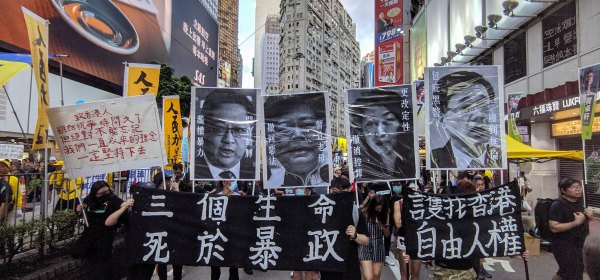
Written by Jean-François Dupré. Hong Kong’s extradition bill and the mass protests it triggered have garnered much international attention. Presumably motivated by a dual attempt to infringe on Taiwan’s sovereignty and to increase Beijing’s grip over Hong Kong, the extradition debacle exposed in quite unambiguous terms the Hong Kong government’s incompetence and intractable pandering to Beijing.

Could there be a federal solution for Hong Kong and China?

Written by Walter C. Clemens, Jr. Hong Kongers have earned the right to genuine self-rule. This essay suggests how this could happen within the framework of “One Country, Two Systems.” But Hong Kongers’ demands for freedom go against the tide of repression—not just in Russia, Turkey, and India but especially in China. Claiming that he will restore China’s former glory, President Xi Jinping is becoming the country’s most supreme bully since Mao Zedong.

Hong Kong is a Mess for Beijing; Taiwan Would be a Nightmare

Written by J. Michael Cole. Liberal democratic societies are simply incompatible with the increasingly authoritarian mindset that animates the CCP. The notion that their inhabitants — global, connected and proud of their liberties — would willingly cede their freedoms to Beijing is naive at best. Such illusions are being shattered in Hong Kong as we speak, and the idea that the Taiwanese would be any less committed to preserving their hard-earned democracy is preposterous. It says a lot about the CCP’s appeal that the only way it can quiet down discontent on its peripheries is through pacification.

1 15 16 17 18 19 28