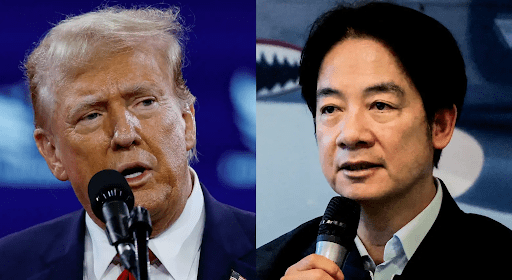
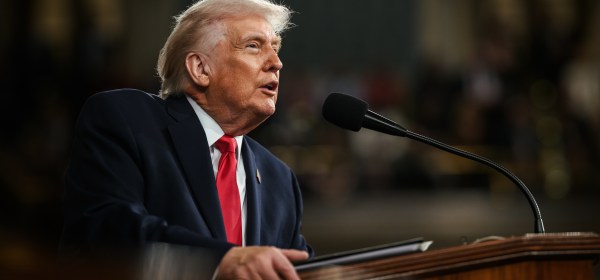
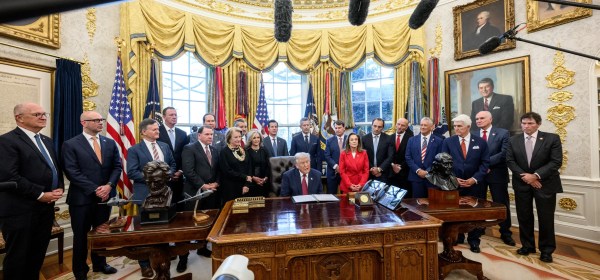
Written by Brian Hioe. US PRESIDENT DONALD TRUMP alarmed earlier this month after comments suggesting that he would decide whether to suspend arms sales to Taiwan after meeting with Chinese President Xi Jinping in April.
Written by Neeraj Mehra. The article argues that Taiwan’s scholarship diplomacy offers strategic technological benefits for India, particularly in semiconductors and applied research, yet remains underutilised by elite Indian institutions. The problem lies in institutional inertia and prestige bias, limiting long-term academic collaboration and knowledge transfer.
Written by Faisal Abdirashid Adam. This article demonstrates that Israel’s recognition of Somaliland, grounded in five years of Taiwan–Somaliland cooperation, marks a significant geopolitical shift in the Horn of Africa. It argues that sustained collaboration in maritime security, agriculture, healthcare, and governance transformed diplomatic isolation into strategic credibility, enabling formal recognition. At the same time, the move has intensified regional and global tensions, particularly with China and neighbouring states wary of sovereignty disputes and shifting power balances.
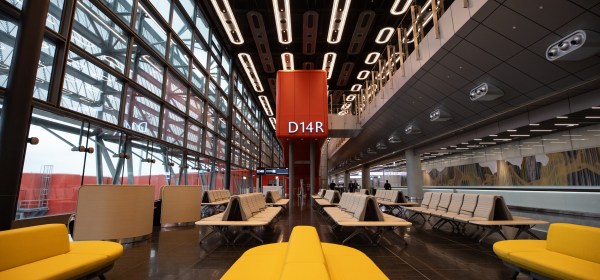
Written by Gahon Chiang. The northern concourse of Taiwan Taoyuan International Airport’s Terminal 3 opened on 25 December 2025, signifying progress from martial law to democracy. This terminal’s design emphasises openness and passenger mobility, contrasting the enclosed layouts of earlier terminals. The evolution of the airport reflects Taiwan’s broader democratic transformation, reshaping citizen-state relations.
Written by Baosheng Guo. This article highlights four contradictions in the US’s 2025 National Security Strategy, including the tension between defending Taiwan and the Retrenchment strategy toward China, burden-sharing exceeding allies’ tolerance, aligning allies’ actions with US interests, and maintaining American soft power while abandoning Taiwan’s democratic values.
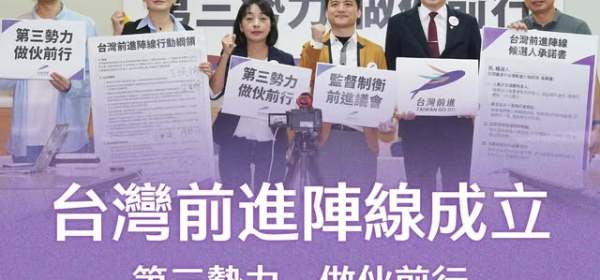
Written by Jonathan Leung. This article reviews the formation of Taiwan Go Go Front and analyses its prospects in 2026 and beyond. It suggests that TPP’s rise is the major reason for the alliance’s formation, as small parties struggled for attention. The 2026 local election is a relatively easier task for the alliance to coordinate their nominations.
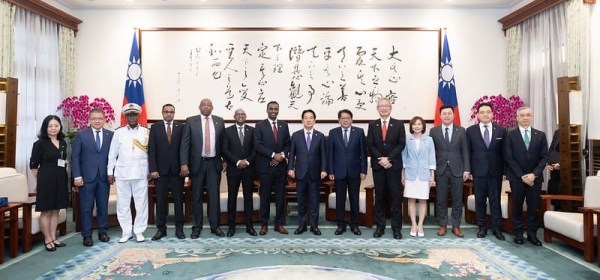
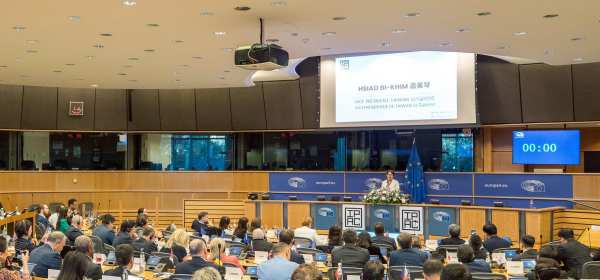
Written by Meng Kit Tang. This article examines Taiwan’s diplomacy in late 2025, including Vice President Hsiao Bi-khim’s recent Brussels appearance. It argues that overstated narratives risk creating misaligned expectations at home and misunderstanding abroad. The commentary highlights how Taiwan can pursue a more resilient, results-oriented diplomatic strategy.
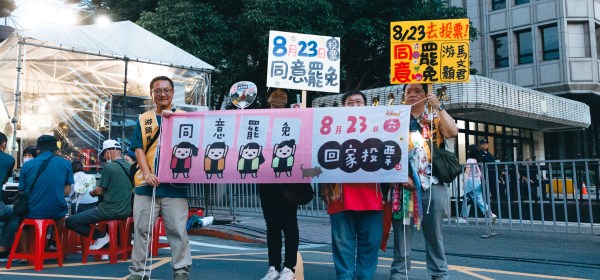
Written by Avis and Aleksandrs Gross. This article reviews the formation of The Recall Movement in 2025 and reflects on this democratic experience. It suggests that the movement developed a decentralised mode of operation, demonstrating how a social movement can function effectively without any top-down organisation, supported by social media such as Threads.
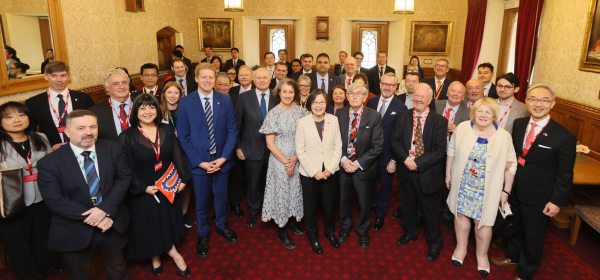
Written by Max Dixon. The year 2025 has seen the most significant uplift in engagement between the United Kingdom and Taiwan in the history of the bilateral relationship. This article reviews efforts to include Taiwan in British foreign policy-making, including the first explicit consideration of Taiwan in the National Security Strategy, and the mutual visits of former leaders.
Written by Chieh-Ting Yeh. This article reviews an eventful year of 2025 in Taiwan-US relations. Defence and trade continue to be the most important issues of the bilateral relationship under the Trump administration. It argues that the narrative surrounding it is fundamentally reactive and does not inspire hope or action. We need a more robust, imaginative, positive, optimistic, uplifting, inspiring, forward-looking, and hopeful narrative for US-Taiwan relations.
Written by Gerrit van der Wees. This article suggests that Taiwan-US relations in 2025 were turbulent. The year was marked by contradictory presidential statements, unprecedented congressional activism, and the codification of Taiwan’s strategic importance in U.S. defence and security planning. The latest PLA military exercise indicates that 2026 will be even more turbulent.
Written by Aleksandrs Gross. This article analyses recent Taiwan-Japan solidarity amid tensions between Japan and China. It captures how widespread and deep mutual support is at the grassroots, people-to-people level in both countries. The current tense political climate has only deepened the friendship between the two peoples. This benefits Taiwan and puts China in a tricky position.