NATSA 2025 Opening Forum: Otherwise Relations between Taiwan and Southeast Asia

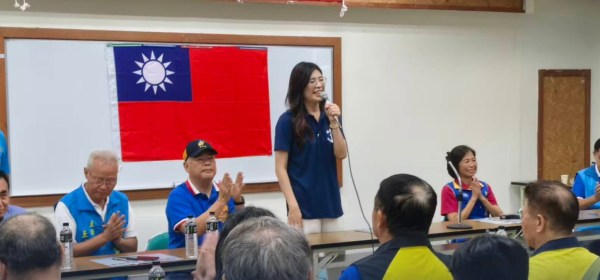
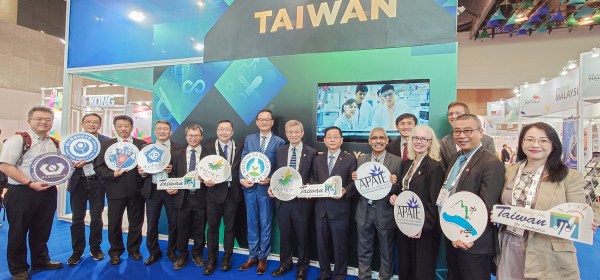
Written by the NATSA 2025 Programme Committee. This article shares the NATSA 2025 opening forum, “Otherwise Relations between Taiwan and Southeast Asia.” Adopting an “otherwise,” the forum challenges nationalistic views by centring Taiwan’s ongoing entanglements with Indigenous solidarity, migration, gender economics, human rights, and more, urging a new approach to Taiwan Studies.

The House of Chiang: Between Reverence and Reckoning

Written by Meng Kit Tang. This article explores Taiwan’s debate over the Chiang Kai-shek Memorial Hall — a site that embodies both national survival and authoritarian trauma. It calls for transforming the hall into a civic classroom that contextualises Chiang’s achievements and abuses, draws lessons from Germany and South Africa, and contrasts Taiwan’s openness with Beijing’s censorship.

When the Waters Rose, So Did Taiwan’s People

Written by Meng Kit Tang. This article reflects on Taiwan’s remarkable civic response to the 2025 Hualien floods, where thousands of volunteers, faith groups, and ordinary citizens mobilised overnight. The essay ultimately suggests that Taiwan’s story offers lessons not just for its own politics, but also for neighbours and rivals alike: that true strength and attraction emerge not from control, but from authenticity.  

Taiwan in Global Discussions

Written by Manoj Kumar Panigrahi. This article begins with Philippine President Marcos Jr.’s recent visit to India. It highlights the new bilateral agreements, investment, and his remarks on Taiwan that provoked Chinese and Taiwanese responses. The author then provides a critical examination of the India-China and India-Taiwan relationships, particularly situating Taiwan at the center of evolving regional security and economic dynamics.

Fisheries as a Means of Outward Mobility During Taiwan’s Martial Law Period 

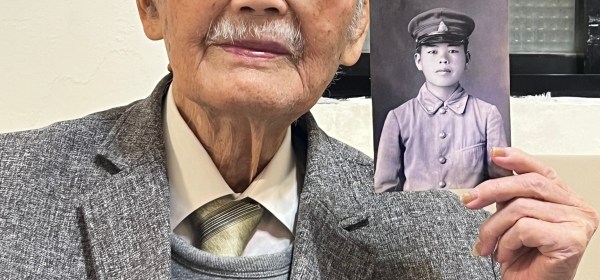
Written by Jess Marinaccio. This article examines Taiwan’s fisheries during martial law, with a focus on the 1976 Jinnan No. 1 incident in New Zealand. Illegal fishing both strained Pacific diplomacy and yet revealed how fishing boats enabled individual mobility. For workers like Zhang Songhuo on Jinnan No. 1, fisheries were not solely a means of livelihood, but also a possible escape route from the authoritarian ROC during the martial law period.

Grandmother Islands: Oral Memory, Mother Tongues, and Literary Kinship between Taiwan and Scotland

Written by Elissa Hunter-Dorans. This article reflects on how maternal and grandmaternal figures embody the preservation of Taiwanese and Gaelic. Through Tâigael, the author explores oral traditions, familial intimacy, and the “mother tongue” as both metaphor and surrogate caregiver, showing how literature sustains endangered languages and fosters cross-cultural kinship.

Tâigael: Orchids, Maternal Care, and a New Rosetta Stone

Written by Hannah Stevens and Will Buckingham. The article introduces Tâigael: Stories from Taiwanese & Gaelic, a translation project linking two minoritised languages through English and Mandarin as bridges. Writers reflect on linguistic solidarity, maternal legacies in “mother tongues,” risks of reinforcing hierarchies, and ecological fidelity in translation. Together, their essays highlight translation’s generative, resistant, and collaborative potential.

1 2 3 4 5 93