The Political Aspect of Taiwan’s Energy Policy and Reliance on Natural Gas

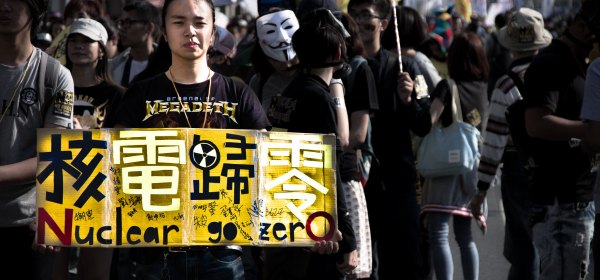
Written by Milo Hsieh. Recently, discussions around energy have emerged again as interest groups fight over whether it is right for the Tsai administration to install a new natural gas receiving station in Taoyuan near an algae reef habitat. Although the term “algae reef (藻礁)” became social media’s hot topic in Taiwan for a while—similar to how “Salmon” has grabbed the attention of many these past weeks—underlying energy issues have not really been discussed.

The Biden Administration and Taiwan: Positive Opening Moves

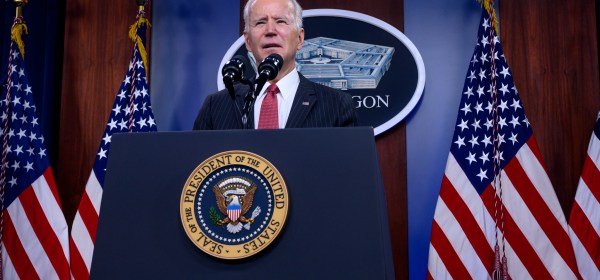
Written by Gerrit van der Wees. We are almost two months into the Biden Administration, and—contrary to what was argued in a recent article by Prof. John F. Copper—the new US administration has already shown on several key moments that it is strongly supportive of Taiwan. It is keen to help maintain Taiwan’s freedom and democracy and promote its place in the international community—a positive beginning. But where do we go from here?

Chao Shao-kang’s Return to Taiwan politics: Will He Replay the Han Kuo-yu Drama?

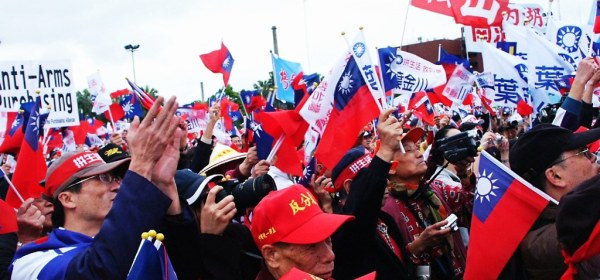
Written by Dongtao Qi. After a 25-year absence from the political arena, political commentator and media guru Chao Shao-kang returned to the Kuomintang (KMT), immediately declaring his intention to run for the KMT chairmanship this July and for Taiwan’s presidency in the 2024 election. This seems to have reinvigorated a deflated KMT since its defeat in the 2020 presidential election. Much speculation among the public has also ensued about whether Chao would be a flash in the pan and do even worse than former presidential candidate Han Kuo-yu who had stirred up a “Han craze” back then.

Is It Taiwan’s Turn to Invest in Space?

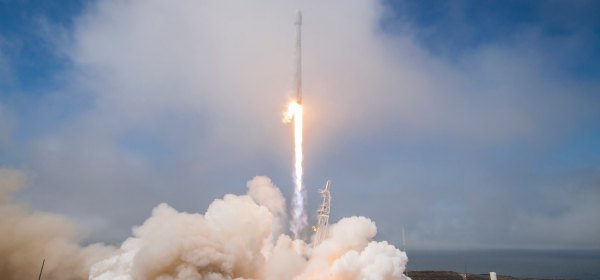
Written by David Michael Jaffe. Space Force. Space Operations Squadron. Strategic Support Force. These are the entities, all created within the last five years, responsible for shaping the future of military space operations in the United States, Japan, and the People’s Republic of China, respectively. Russia, too, calls its military’s outer space division the “Space Force.” Meanwhile, South Korea – while it has yet to name a new division formally – recently launched a military satellite aboard a SpaceX rocket in Florida and plans to launch a military satellite from its own soil in the next few years. Australia has already launched satellites from its own soil. Members of the country’s Defence Science and Technology Group are considering launching their own military satellite and advocating for creating their own space force. It is no secret that North Korea also has ambitions to engage in the military space arena.

Challenges To Inclusive Education In Taiwan

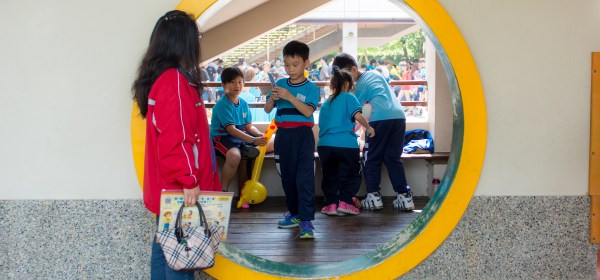
Written by Elsa Sichrovsky. While government stipulations may appear to establish a strong structure of support and resources for students with a disability, the situation on the ground is often far from ideal. Most schools lack the trained staff and financial resources actually to implement IEPs for children with special needs. Many schoolteachers are already overloaded with large classroom sizes, stringent demands and requests from parents, and hosting extracurricular activities such as contests and art projects. With a child who has special needs added to the classroom comes the added stress of managing Individual Education Plans (IEPs) and attending IEP meetings with special education professionals and parents.

The Right of Independent Living and Its Challenges in Taiwan

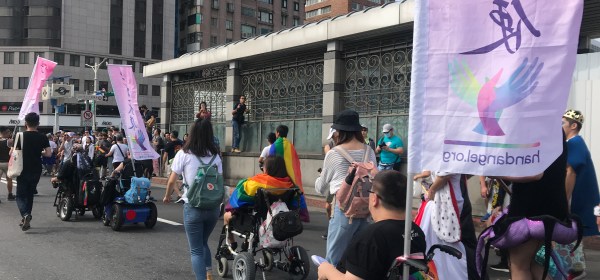
Written by Kuoyu Wang. The most important questions to be answered are the following. Is independent living actually suitable for Taiwan? Moreover, does independent living mean that the state rather than the family should bear the burden of providing care? If independent living is a right of people with disabilities, should it be satisfied through a generally designed service system or a totally customised system with an individual framework? Should there be a limit to the rights fully provided by the state?

How Well Does Taiwan Support People With Disabilities?

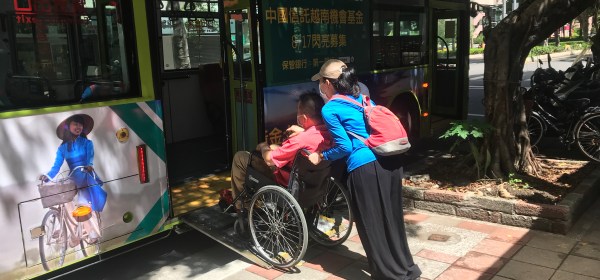
Written by Heng-Hao Chang. After the transition to democracy in the 1990s, all aspects of Taiwanese society changed very quickly, as did the approach to disability rights. The accessibility of public transportation certainly allowed more disabled people to participate in society. The ongoing long-term care policy also covered people with disabilities who needed long-term care. The ratification of the CRPD and international review gave civil society, Disabled People’s Organisations (DPOs), and the government a chance to enter into dialogue and collectively evaluate current policies and practices, including social and cultural challenges.

The governmentality of Taiwan’s anti-epidemic politics

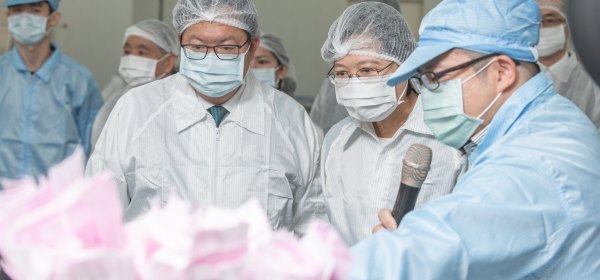
Written by Gunter Schubert. Taiwan has earned worldwide praise for its success in fighting the coronavirus crisis. It has become a shining example for those pushing the argument that state capacity in anti-epidemic politics is not preconditioned upon an authoritarian mode of government. Rather, the Taiwan case has shown that effective top-down policy steering, strict compliance of the populace with quarantine measures, hygiene measures and social distancing, and legitimate comprehensive tracing of digital data are all possible in a democracy.

Disinformation in the January 2020 Taiwan Elections

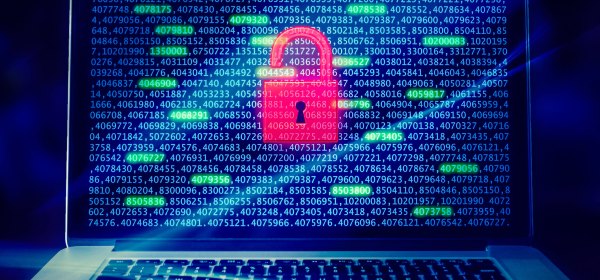
Written by Nicholas Welch. Approaching the January 2020 Taiwan elections, many Taiwanese and international spectators broadly feared PRC-based disinformation operations weakening Taiwan’s democratic institutions. In particular, many feared Russian-style “covert social influence via the use of bots and fake persona accounts,” which would sway public opinion en masse. Nevertheless, when the dust settled, it remained unclear whether the PRC propagated that form of disinformation at all. Before the election, and although no substantial evidence for such claims exists, the international community pre-emptively accused the PRC of spreading disinformation.

Why Taiwan Should Pay More Attention to the Futenma Relocation Issue in Okinawa, Japan

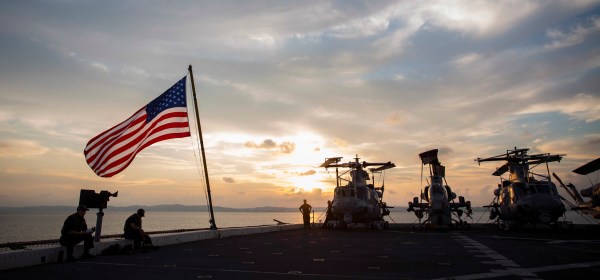
Written by Mari Uchima. Most analyses of Taiwan’s security focus on cross-strait relations and the U.S.-China military balance. What is mostly missing in the debate is that the U.S. military bases in Okinawa, Japan, are critical to any U.S. defence of Taiwan due to their geographic proximity. Therefore, Taiwanese and analysts and students of Taiwan’s security should pay more attention to the ongoing developments there, as they have implications for Taiwan’s security.

As Sea Levels Rise and Chinese Pressure Mounts, Taiwan Must Extend NSP to the South-Pacific

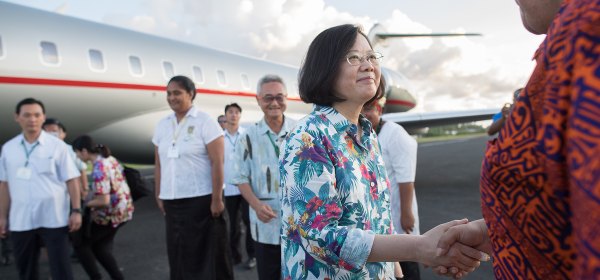
Written by Ma’ili Yee. A year after losing two of its Pacific Island allies, Taiwan continues to feel the mounting pressure of Chinese influence in the South-Pacific ocean. Within recent years, China has pointedly increased its presence in the Pacific through financial aid, commercial trade, and high-level diplomatic engagement. The four Pacific states of Tuvalu, the Marshall Islands, Nauru and Palau now compose nearly a third of the remaining countries that officially recognize the ROC. Despite their small geographic and economic size, Taiwan would be wise to recognize these Pacific island nations’ immense political weight and properly address their top concerns—sustainable development and climate change—through concerted foreign policy.

1 52 53 54 55 56 94