A 2020 Vision for Strategic Clarity on Taiwan

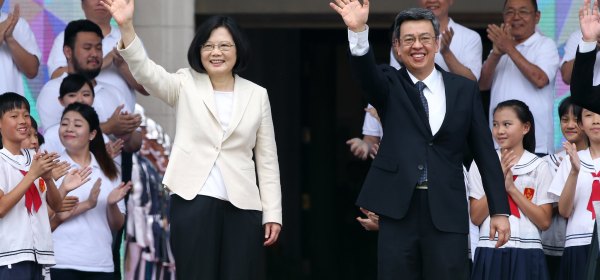
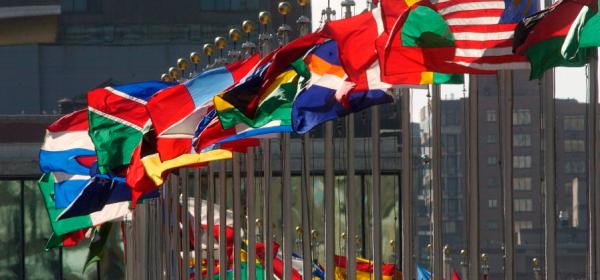
Written by Gerrit van der Wees. As the United Nations General Assembly is preparing to meet in New York for its annual gathering, the international community is facing multiple issues in all parts of the world that need to be resolved. Among all of those issues, there is one burning question: why is a free and democratic Taiwan not part of the gathering? Why is a vibrant democracy being excluded from the international family of nations?
Desired Female Care Labour, Undesirable Migrant Care Workers, and Their Unwanted Reproduction

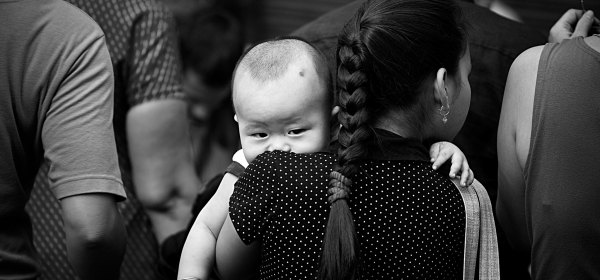
Written by Isabelle Cheng. [Migrant] men can’t produce babies, but women can. We can’t allow foreigners to give birth in Taiwan and breed more foreigners […] It is indeed inhumane to repatriate a pregnant woman. However, even permitted to give birth in Taiwan, she and her child would have to be deported eventually. It is even more inhumane to break her family and separate the child from the [Taiwanese] father after they’ve developed bonds (the Legislative Yuan, 17 April 1992, Taipei).

As Taiwan Develops, can Racism and Discrimination be Avoided?

Written by Milo Hsieh. To what degree is race-based discrimination an issue in Taiwan? The answer may differ depending on those asked. To the World Health Organization Director Dr Tedros Adhanom Ghebreyesus—who was made into an effigy by anonymous Taiwanese comic artists in April over the WHO’s continued exclusion of Taiwan—yes, Taiwan’s government allegedly sponsored racist attacks against him. One the other hand, to the group of Taiwanese influencers—who came under attack later in June after wearing blackface to imitate the dancing coffins viral video—no, as clearly many in Taiwan overreacted.

Taiwanese Identity and Racism in Taiwan

Written by Chieh-chi Hsieh. When the impact of COVID-19 was at its height in Asia this April, the director-general of the World Health Organisation (WHO), Dr Tedros Adhanom Ghebreyesus, publicly accused Taiwan of continuously attacking him with racist slurs for months. Although these accusations have been proven to be false, with the ongoing Black Live Matters campaign taking place, it does give a good opportunity to reflect on whether racism exists in Taiwan. More importantly, how this contributes to the formation of Taiwan’s identity in the contemporary epoch.

New Curriculum, Same Problems? Can the New 2019 High-School Curriculum Help Tackle Inequality?

Written by Yi-hui Lee and Kai-chieh Yang. As a result of geographic and economic factors, educational recourses have long been distributed unevenly in Taiwan. This has long caused some disquiet. The effect of this recourse inequality worsens at every stage of the education system and severely hampers class mobility. The new “school-determined curriculum,” which is so central to the 2019 curricula reforms, will change many of the compulsory class requirements for high-schoolers in Taiwan. With inequality being such a clear issue, it is essential to ask: what affect will this have on the uneven recourse distribution across schools?

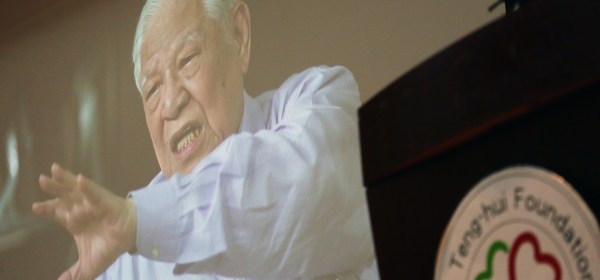
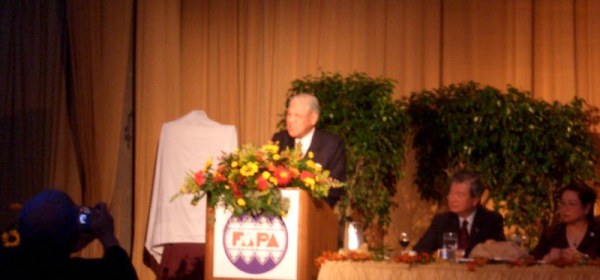
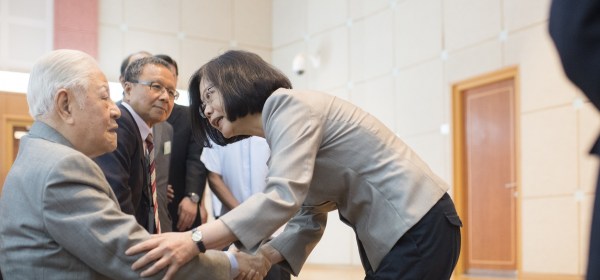
Lee Teng-hui— a Leader of Shifting Principles, Wonderful Vision, Skill and Legacy

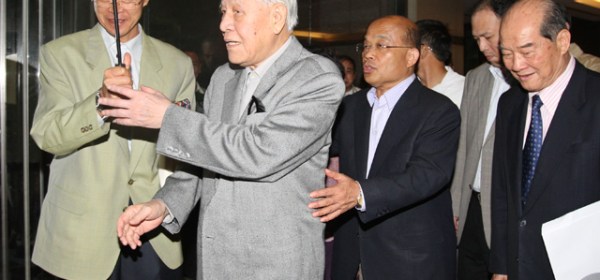
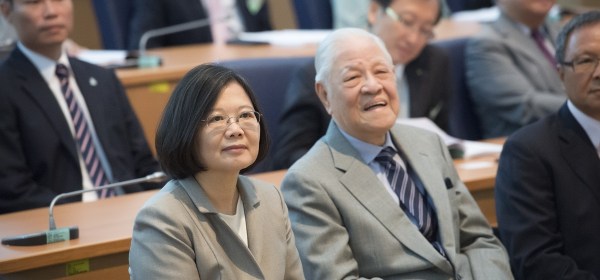
Written by Mark Wenyi Lai. Former President of Taiwan, Lee Teng-hui passed away this summer. The Beijing/Unification faction hated Lee, and the Independent faction/Mike Pompeo praised him as the Father of Taiwan Democracy, if not the Father of Taiwan. How do we evaluate Lee? What is Lee’s vision of where and how Taiwan is heading in the next century? How do our perspectives of him reflect our Taiwanese identity?

Remembering President Lee Teng-hui

Written by John F. Copper. In 1963 I journeyed to Taiwan to further my study of Chinese, sponsored by the East West Center at the University of Hawaii. I heard of Lee Teng-hui at this time. He was one of the experts that designed and operationalized Taiwan’s well-known and eminently successful land reform program. Little did I know that Lee would become one of modern Taiwan’s foremost leaders and someone I would meet and learn much more about in coming years. 

How Taiwan Wins the Hearts of Southeast Asian States

Written by Ratih Kabinawa and Jie Chen. President Lee Teng-hui transformed ROC Taiwan’s foreign policy from a rigid “man and bandits don’t co-exist” mindset, a dictum which defined the Chiangs’ era, to one focusing on pragmatic diplomacy. This stance emphasised flexible ways to promote Taiwan’s international standing as its own legitimate sovereign state. President Lee used Taiwan’s achievement as a new democracy with impressive economic and technological prowess to win fresh international sympathy and support.

In Memoriam: Lee Teng-hui and the Democracy that he built

Written by J. Michael Cole. On July 30, former president Lee Teng-hui, whom many regard as the father of Taiwan’s democracy, passed away at the age of 97. Lee leaves behind a nation that is markedly different from what it was when he entered politics decades ago. No figure—none—has had as major an impact on Taiwan than Lee, whose decisions in the crucial period between the late 1980s and early 1990s determined the future course of the nation and propelled into the “third wave” of democratisation.

In Memoriam Lee Teng-hui, 1923 – 2020

Written by Gerrit van der Wees. On July 30 2020, Taiwan’s “Father of Democracy,” former President Lee Teng-hui passed away in Taipei at the ripe old age of 97. He served as the country’s President from 1988 until 2000 and guided its transformation from a repressive authoritarian dictatorship that had been imposed on the island by the Chinese Nationalists of Chiang Kai-shek after World War II, to the vibrant democracy that is Taiwan today.

Taiwan’s Post-Election Economic Woes

Written by John F. Copper. Had the economic numbers not been in their favour, would they have lost the election? Hardly. The fact the U.S. supported President Tsai and her party was an overwhelming advantage, as was China alienating Taiwan’s voters with its harsh statements and actions, which were further exacerbated with anti-China protests in Hong Kong. Both were critical factors. Finally, the KMT was very divided with its top leaders fighting among themselves.

Taiwan and Europe: An Uneasy History

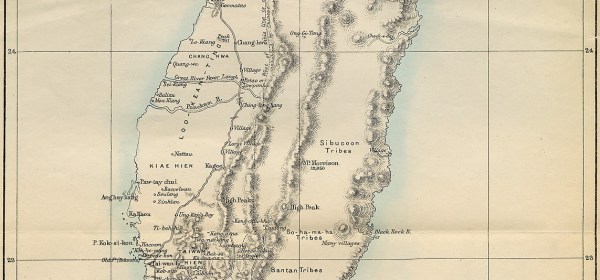
Written by Ian Inkster. The historical relations of Taiwan with Europe are by no means unproblematic. When free of Chinese imperial power, Taiwan became subject to the western Great Powers and then to an expanding, industrially founded Japanese colonialism and militarism. At this point, relations with Europe were commercially close but politically and culturally distant. Led by Britain, the European involvement in Taiwan was never truly benign. After the war of 1937-45, Europe’s interest in Taiwan was principally as a developing economy that traded in a range of complementary goods and services.

1 10 11 12 13 14 22