
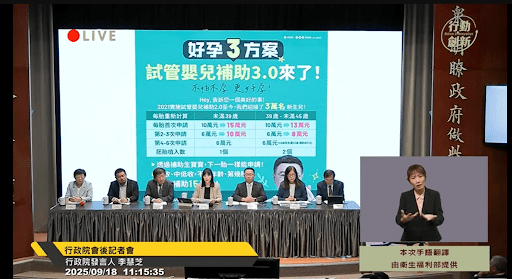
Written by Pei-Chieh Hsu. This article illustrates how state-subsidised assisted reproductive technology has reshaped reproduction in Taiwan, situating Taiwan’s In Vitro Fertilisation (IVF) within global pronatalist regimes, fiscal governance, and demographic anxiety. It analyses policy design, comparative fertility outcomes, and ethnographic IVF experiences to show how subsidies engineered technological dependence while reproducing new social, medical, and moral hierarchies.
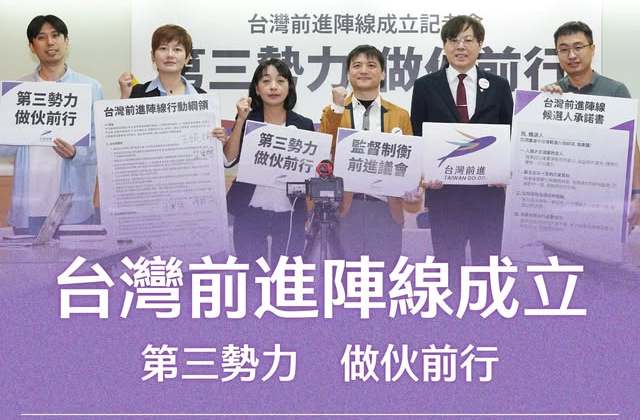


Green-White Break-up? Relationship between the TPP and DPP
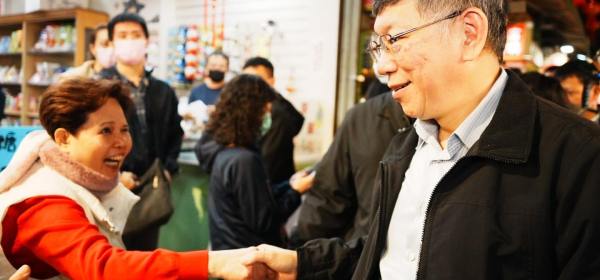
Written by Jonathan Leung. During the 2022 local elections, the TPP often forcefully criticised the DPP candidates, treating them as the largest political rival. Yet, after Su Tseng-chang’s resignation as premier, there is a sudden suggestion asking Tsai Ing-wen to appoint Ko, the former Taipei City Mayor, to be the new premier. This could pave the way for William Lai, the freshly elected DPP leader and incumbent Vice President, to cooperate with Ko and re-establish the Green-White political alliance to resolve their hostility in the previous year.





 Taiwan Insight