
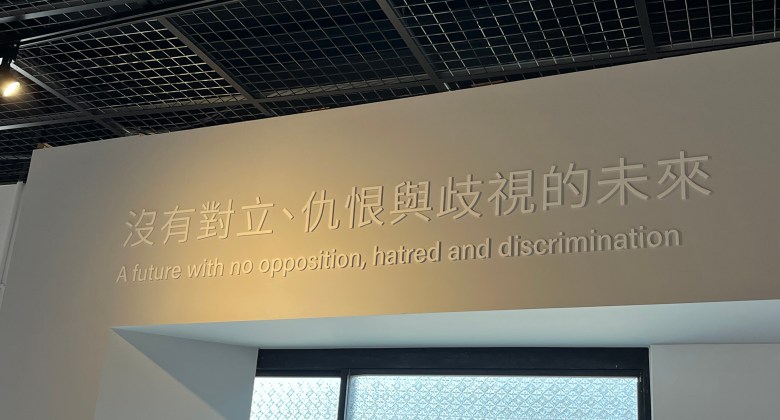
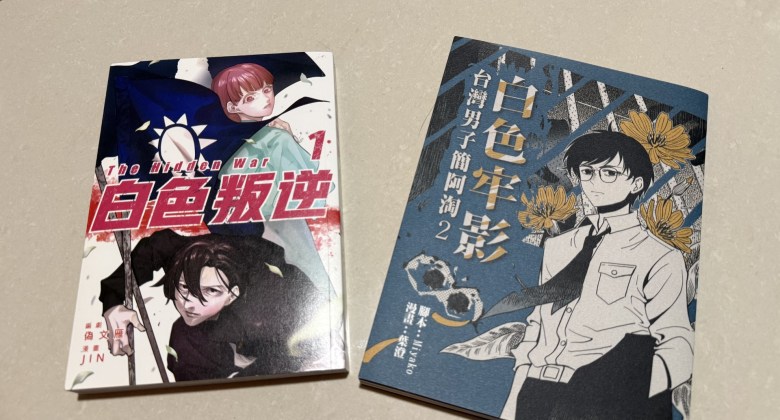
Written by Chee-Hann Wu. This article reflects a personal memory and classroom discussion; she explores the ethical responsibilities of artists when representing traumatic historical events. Emphasising consent, historical accuracy, and self-awareness, the piece argues that storytellers and audiences alike must engage critically with how collective trauma is portrayed and remembered in art and media.
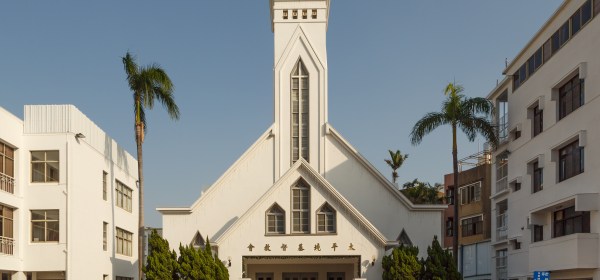
A sketch of Taiwanese Christianity
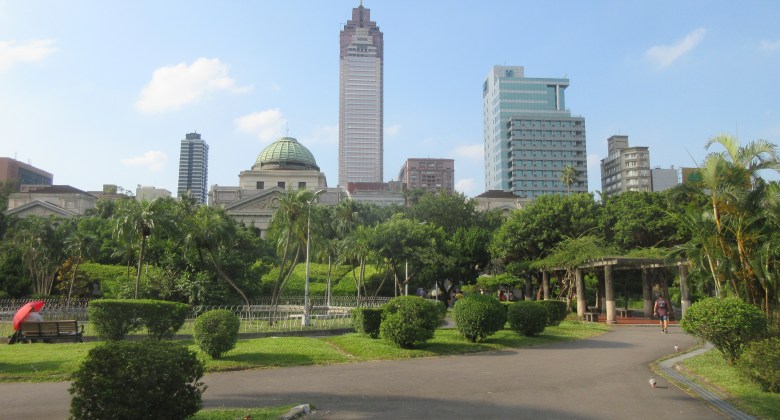
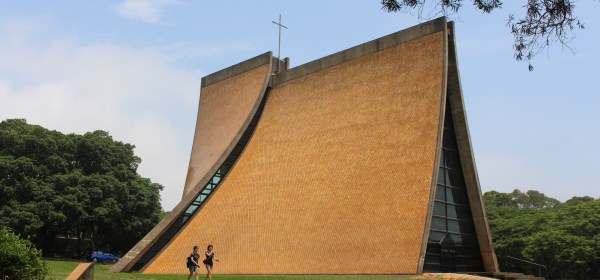
Written by Wen-Hsu Lin. According to statistics from 2017, about 6% of the Taiwanese populace are Christian. Despite having a history dating back several centuries, Taiwan’s Christian community remains largely understudied and rarely discussed. Scholars have tried to better understand this group using survey data. Through the data, we first reveal the demographic characteristics of Taiwanese Christians. More importantly, under the well-documented trend that the country has become more secularized, we further investigate whether Christian faith still matters to Christians’ behaviour and attitude toward social issues.





 Taiwan Insight