
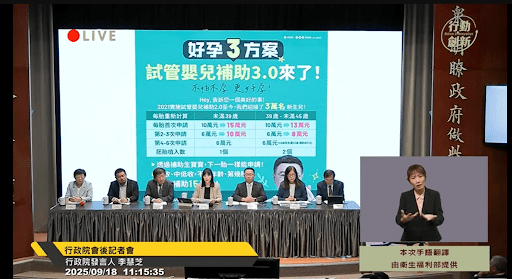
Written by Pei-Chieh Hsu. This article illustrates how state-subsidised assisted reproductive technology has reshaped reproduction in Taiwan, situating Taiwan’s In Vitro Fertilisation (IVF) within global pronatalist regimes, fiscal governance, and demographic anxiety. It analyses policy design, comparative fertility outcomes, and ethnographic IVF experiences to show how subsidies engineered technological dependence while reproducing new social, medical, and moral hierarchies.
The Best-Laid Plans of Rice and Men (And Ducks): Organic Farming in Yuanli Township
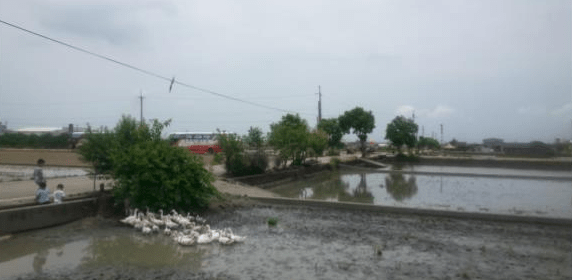
Written by Li Ching Chen, Translated by Sam Robbins. Hae works on a rice-duck farming cooperative in Yuanli. He wanted to take advantage of the fact that ducks eat rice pests and raise the ducks in the rice paddies. Although the idea was good in theory, there were many difficulties in practice. For example, he told me many of the dogs from the township started hunting the ducks. As ducks slowly waddled through the rice paddies, the dogs would start salivating.








 Taiwan Insight