
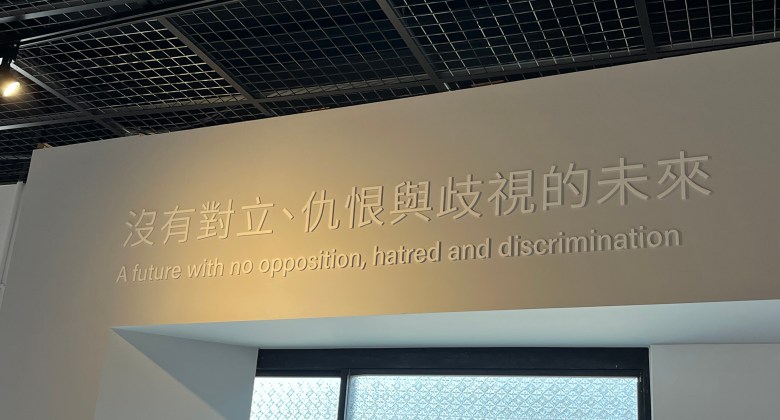
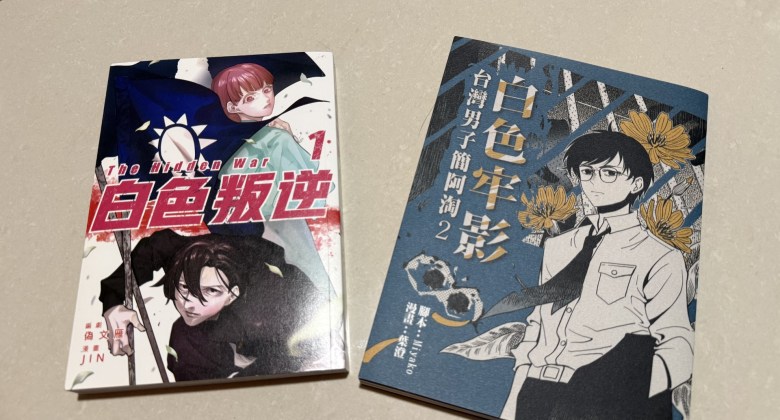
Written by Chee-Hann Wu. This article reflects a personal memory and classroom discussion; she explores the ethical responsibilities of artists when representing traumatic historical events. Emphasising consent, historical accuracy, and self-awareness, the piece argues that storytellers and audiences alike must engage critically with how collective trauma is portrayed and remembered in art and media.
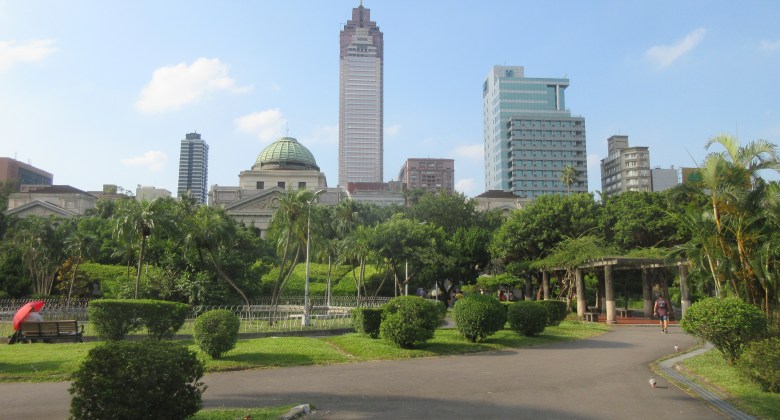

Taiwan, the Most Dangerous Place on Earth?
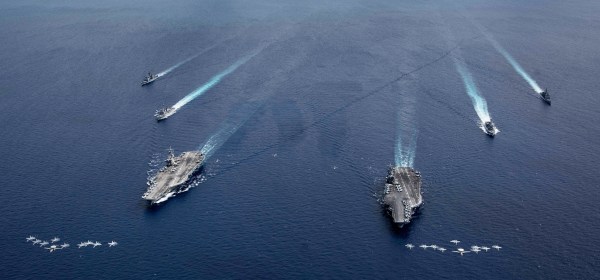
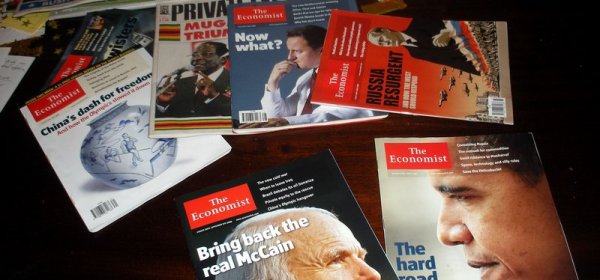
Written by Shih Yueh Yang. Is Taiwan the Most Dangerous Place on Earth? Not yet, as the Economist has put it. Although the tension between the two sides of the Taiwan Strait has grown, not a single shot has ever been fired. In contrast, thousands of rockets have already exploded over Gaza/Israel border, and hundreds of people have died. Taiwan still enjoys peace and happiness either in relative or absolute terms.



 Taiwan Insight