
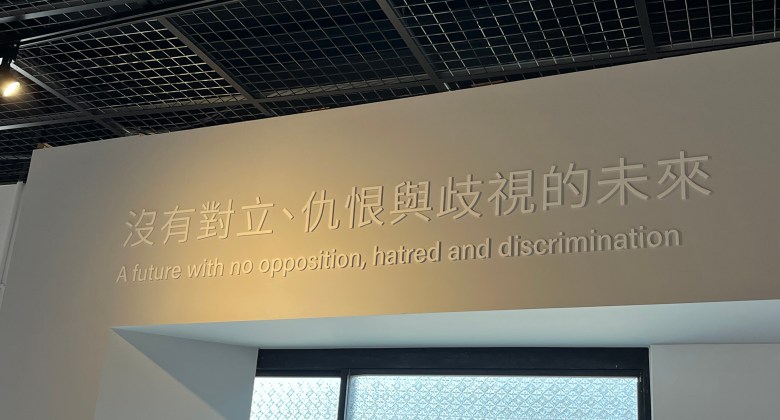
Written by Chee-Hann Wu. This article reflects a personal memory and classroom discussion; she explores the ethical responsibilities of artists when representing traumatic historical events. Emphasising consent, historical accuracy, and self-awareness, the piece argues that storytellers and audiences alike must engage critically with how collective trauma is portrayed and remembered in art and media.

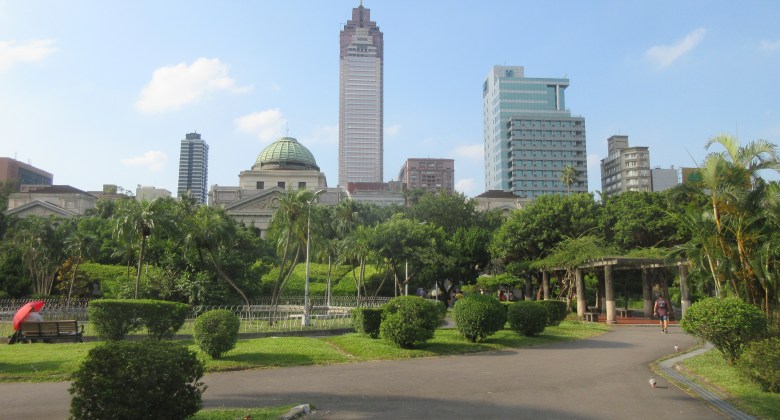
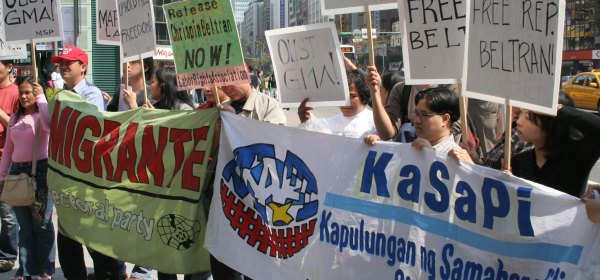
Protecting the ‘Orphans’: Advocacy Networks and Labour Movements in Taiwan
Written by Ratih Kabinawa. In an attempt to raise awareness about the lives of marginalised groups in Taiwan, the Taiwan Studies Programme at the University of Nottingham, U.K., organised a movie screening and discussion – Migrant Lives Matter: ‘Nine Shots’ – that showcased the dark side of migrant labour recruitment and employment in Taiwan. The film reveals some perspectives from different stakeholders, including labour advocacy networks, in addressing problems related to Taiwan’s labour migration system. Using the movie as a prompt, this article explores various advocacy networks and migrant labour movements in Taiwan. Why and how do these networks emerge and organise themselves? What are their motivations and activities? And how do these networks advocate for policy change and work to build solidarity to empower migrant workers?






 Taiwan Insight