
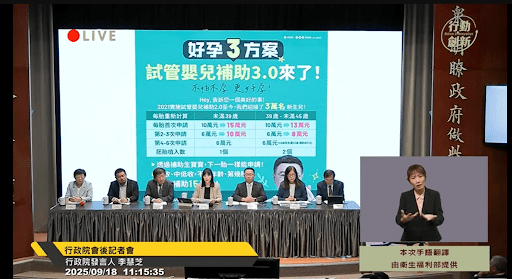
Written by Pei-Chieh Hsu. This article illustrates how state-subsidised assisted reproductive technology has reshaped reproduction in Taiwan, situating Taiwan’s In Vitro Fertilisation (IVF) within global pronatalist regimes, fiscal governance, and demographic anxiety. It analyses policy design, comparative fertility outcomes, and ethnographic IVF experiences to show how subsidies engineered technological dependence while reproducing new social, medical, and moral hierarchies.
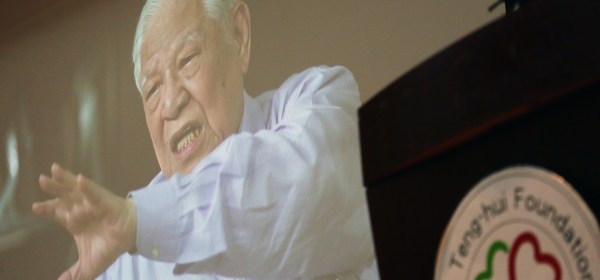
Lee Teng-hui— a Leader of Shifting Principles, Wonderful Vision, Skill and Legacy
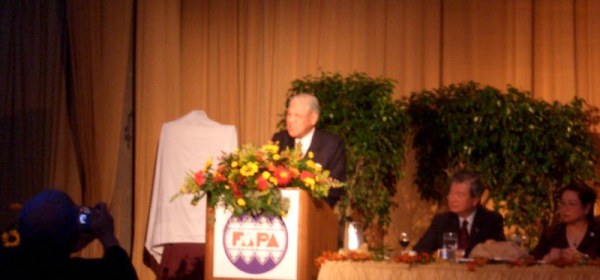
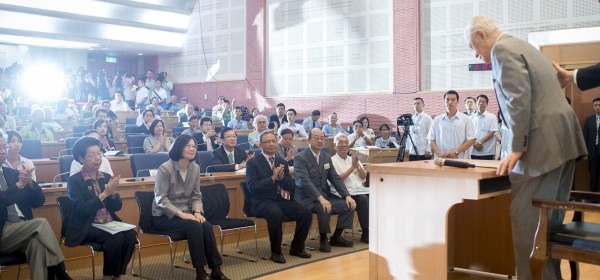
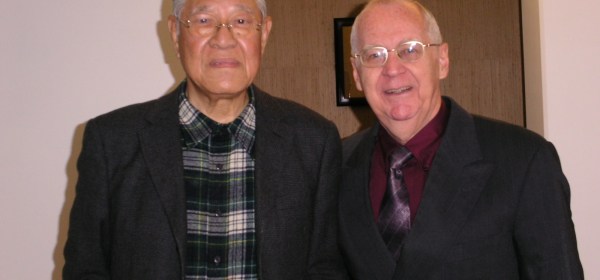
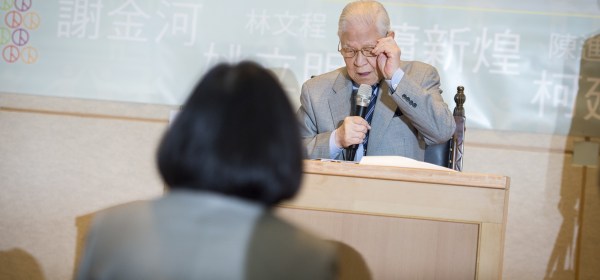
Written by Mark Wenyi Lai. Former President of Taiwan, Lee Teng-hui passed away this summer. The Beijing/Unification faction hated Lee, and the Independent faction/Mike Pompeo praised him as the Father of Taiwan Democracy, if not the Father of Taiwan. How do we evaluate Lee? What is Lee’s vision of where and how Taiwan is heading in the next century? How do our perspectives of him reflect our Taiwanese identity?

 Taiwan Insight