Recognising the ‘Taiwan Issue’: Analysing the Impact of the UK Government’s Integrated Review Refresh

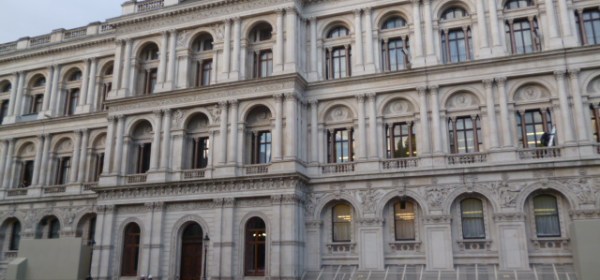
Written by Max Dixon. The British Government’s ‘refreshed’ foreign policy document, released in March 2023, emphasised the increasing parallels drawn between the plight of Ukraine amidst Russian aggression and the threat posed to Taiwan by increasing Chinese assertiveness. The Integrated Review Refresh 2023, the first clear enunciation of British Prime Minister Rishi Sunak’s foreign policy approach, sought to revise the 2021 Integrated Review. The Refresh formally recognises tensions in the Taiwan Strait for the first time in British foreign policy yet addresses Taiwan with a degree of tentativeness that will necessitate greater clarity in the future.

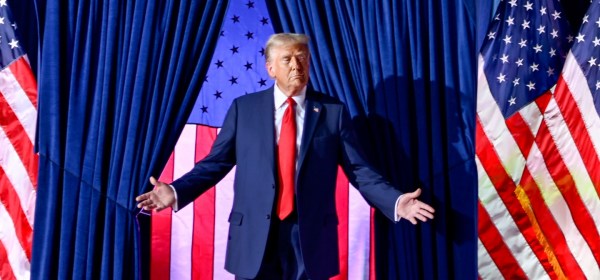
What A 2nd Trump Term Would Mean to Taiwan (and the US)

Written by Daniel Jia. Taiwan does not need and must avoid having a Taiwanese version of Donald Trump. However, Taiwan must be ready for a second Trump term unfavourable to Taiwan’s security. The new Trump administration would resume the economic-centred relationship with China as it did in the first term, likely at the cost of Taiwan’s international status and sovereignty. Taiwan cannot change Trump. But Taiwan can and must show the free world its resolve to defend itself like what Ukraine has been doing. With this unwavering resolution, Taiwan would have the chance to rally international support in the event of a China invasion. Then, and only with this determination, could Taiwan bring the US public and Congress to its side and mandate the lukewarm Trump to act as Biden in the current Ukraine-Russia war.

Opportunities abound to ram up UK-Taiwan relations

Written by Huynh Tam Sang and Phan Van Tim. By and large, there are ample opportunities for the UK and Taiwan to deepen their relationship, given Taiwan’s geopolitical importance and rising prominence as a robust democracy and resilient economy. Moreover, should London genuinely devote its time and energy to pushing its “Indo-Pacific Tilt”, engaging with Taiwan would benefit London as it helps the great power establish a firm footprint in the area while demonstrating the country as a responsible stakeholder in the region.

Divided Reaction to the Ukraine Invasion in Taiwan

Written by Brian Hioe. The Tsai administration has presented somewhat mixed messaging on the invasion of Ukraine. When questioned by opposition lawmakers, officials such as Premier Su Tseng-chang have rejected comparisons between Ukraine and Taiwan, stating that the two contexts are sufficiently different and cannot be compared. On the other hand, President Tsai Ing-wen has said that Taiwan stands with Ukraine as a fellow democracy and has condemned Russia’s actions. Contributions from her administration have included the establishment of a relief fund.

In the Wake of Taiwan’s January 2020 Election, how are Cross-Strait Relations?

Written by John F. Copper. In January this year, Taiwan held a key national election. The Democratic Progressive Party’s (DPP) president, Tsai Ing-wen, won reelection while the DPP kept its majority in the national legislature. It was an across-the-board victory for the pro-independence party. Fast forward to autumn, nine months later. How does Taiwan look politically? Not much different! Reassessing campaign policies and reality-checking that usually follow a big election have been mostly missing.

Taiwan can help!

Written by Chun-yi Lee and Yu-ching Kuo. The world changed this year. Covid-19 appeared in the Chinese city of Wuhan, and gradually spread to Europe and the United States. At the time of writing (June 14), there are nearly 8 million confirmed cases of the virus worldwide. The global death toll is 431,225, with the United States suffering the most deaths (115,578). Yet Taiwan, a small, self-ruled island that is geographically close to mainland China, had seen only 443 confirmed cases and 7 deaths by June.

Taiwanese perceptions of diplomatic recognition

Written by Timothy S. Rich. Taiwan must find new strategies in order to strengthen formal and informal ties. However, it should not over rely on expanding unofficial relations with the US or overlook the inconsistencies of Trump’s foreign policy that could impact Taiwan. For example, the Trump Administration’s decision to cut hundreds of millions of dollars in aid to El Salvador, Guatemala, and Honduras for two consecutive years provides a greater opportunity for Chinese influence in the region and greater pressure on Taiwan’s remaining diplomatic partners.

TAIWAN CAN PLAY AN IMPORTANT ROLE IN ASIA’S NEW MIDDLE POWER DIPLOMACY

Written by Hunter Marston. As great power rivalry between the US and China intensifies, Taiwan finds itself exposed to a growing number of security and economic risks. Nonetheless, current trends in middle power diplomacy present Taipei with new opportunities to mitigate these external pressures. If the Tsai Ing-wen administration can better leverage Taiwan’s unique assets and advantages, and broaden the scope of its non-traditional cooperation with other regional players, it can bolstering the island’s strategic position.

1 2