Extradition Wars: How the Chinese and Hong Kong Governments Fell into a Trap They Laid for Taiwan

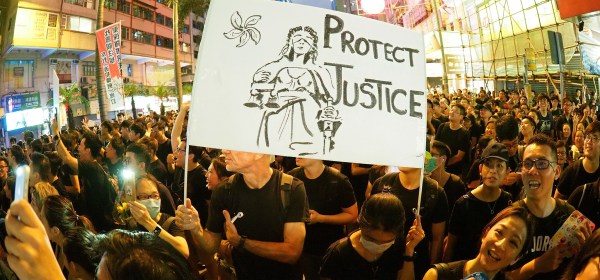
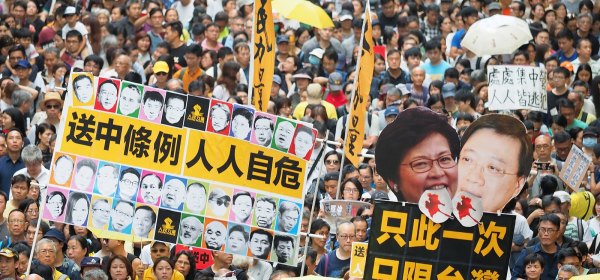
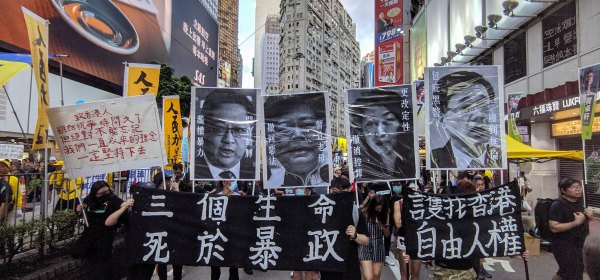
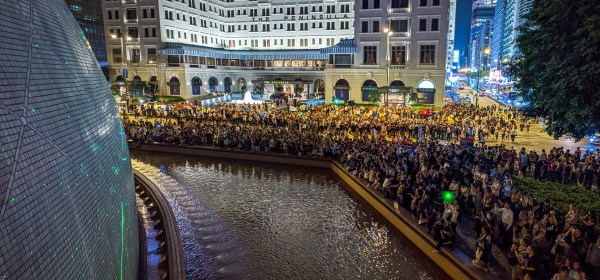
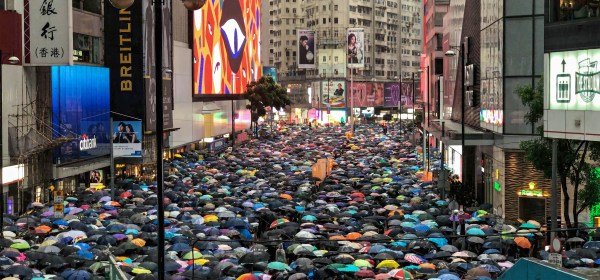
Written by Jean-François Dupré. Hong Kong’s extradition bill and the mass protests it triggered have garnered much international attention. Presumably motivated by a dual attempt to infringe on Taiwan’s sovereignty and to increase Beijing’s grip over Hong Kong, the extradition debacle exposed in quite unambiguous terms the Hong Kong government’s incompetence and intractable pandering to Beijing.

Could there be a federal solution for Hong Kong and China?

Written by Walter C. Clemens, Jr. Hong Kongers have earned the right to genuine self-rule. This essay suggests how this could happen within the framework of “One Country, Two Systems.” But Hong Kongers’ demands for freedom go against the tide of repression—not just in Russia, Turkey, and India but especially in China. Claiming that he will restore China’s former glory, President Xi Jinping is becoming the country’s most supreme bully since Mao Zedong.

Hong Kong is a Mess for Beijing; Taiwan Would be a Nightmare

Written by J. Michael Cole. Liberal democratic societies are simply incompatible with the increasingly authoritarian mindset that animates the CCP. The notion that their inhabitants — global, connected and proud of their liberties — would willingly cede their freedoms to Beijing is naive at best. Such illusions are being shattered in Hong Kong as we speak, and the idea that the Taiwanese would be any less committed to preserving their hard-earned democracy is preposterous. It says a lot about the CCP’s appeal that the only way it can quiet down discontent on its peripheries is through pacification.

Taiwan’s Role in Bolstering Democracy and Civil Society in Asia

Written by Robert S. Wang. As I see it, the United States and EU governments need to respond urgently and strongly at this time if they are to show that they truly intend to defend the values of the liberal international order. They should start by working with human rights NGOs to document and publicise even more widely China’s gross human rights violations. The aim here is to raise public awareness and highlight deteriorating human rights conditions under China’s increasingly repressive authoritarian regime for the world, including Chinese people at home and abroad, to see.

Brext Conference 2019: Europe and East Asia after Brexit

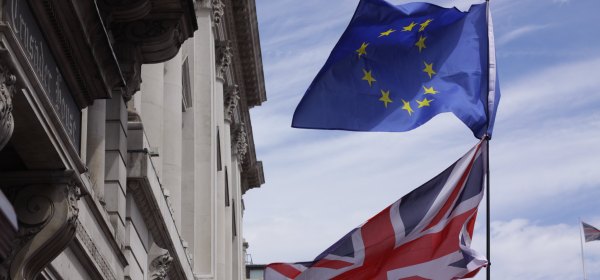
Written by Chun-yi Lee. Does Brexit impact Taiwan? The answer is, yes. Rather than repeat the tired cliché of ‘this is a globalised world’, I will instead ask our readers to think deeper about the interconnectivities of supply chains, the mobility of human talent in the innovation and high education sectors, and cross-regional trading agreements such as the TPP and CPTPP. If one considers all these different elements, Brexit certainly impacts on Taiwan and East Asia as a whole.

DETENTION OF TAIWANESE PRO-UNIFICATION ADVOCATE IN CHINA FOR OVER 420 DAYS RAISES WORRYING POSSIBILITIES

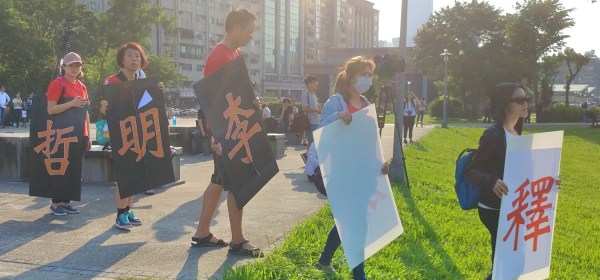
Written by Brian Hoie. Caution seems necessary for Taiwanese traveling to China going forward, then. There are at least three cases of Taiwanese held in China—if not more—on charges of endangering the state security of the Chinese government. At this point, whether pro-independence or pro-unification, it seems that simply being Taiwanese could possibly be sufficient cause for arbitrary detention by the Chinese government.

The Median Line in the Taiwan Strait: A Dangerous Loophole

Written by R. D. Cheng. On March 31, People’s Liberation Army Air Force (PLAAF) warplanes flew across the “median line” in the Taiwan Strait that has long served as an unofficial airspace boundary between Taiwan and China. This behaviour was unusual and provocative move on China’s part — the first time in 20 years that such a deliberate incursion took place.

Ivan Karamazov with a Maoist Face: Guo Songfen’s Book Collections and Third World Existential Marxism

Written by Po-hsi Chen. Guo’s concern resembled the philosophical rendition of the post-war Czechoslovakian ‘socialism with a human face’, which emphasised individual freedom and personal choice under the Soviet regime. Indeed, Guo passingly referred to ‘Second World’ Eastern European communist theorists’ re-reading of Sartre in the post-Stalin context.

1 26 27 28 29 30 40