Taiwan Diplomacy: Worth the Effort?

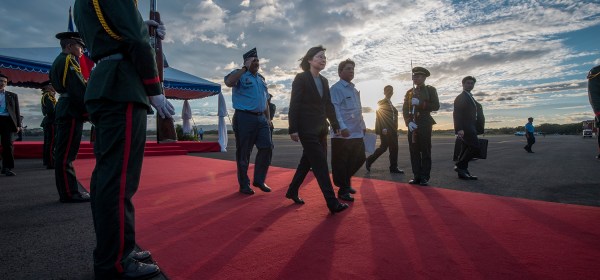
Written by David Pendery. Commentary has recently focused on Taiwan’s diplomatic ties, following the loss of a number of allies under President Tsai Ing-wen’s tenure, most recently Nicaragua, which caused quite a stir internationally. The state of affairs has worsened to the point that many in the nation are now questioning the value of diplomatic relations in general and whether it is even worth the trouble for Taiwan to maintain its diplomatic relations with its remaining official allies. This is a query worth addressing.

How Taiwan is Strengthening its Relations with Europe: And How Lithuania is Leading the Way in Pushing Back against China

Written by Gerrit van Der Wees. strength, it laid out the advantages of improving relations with Taiwan in the EU parliament and national legislatures. The Tsai Ing-wen administration had also emphasised time and again that Taiwan as a democracy was on the front line of the global fight against authoritarianism. If the West did not support Taiwan sufficiently, what happened in Xinjiang and HK could also occur in Taiwan one day.

A Reflection on the UK’s Parliamentary Reaffirmation to Bolster Economic, Security & Develop Strategic Ties with Taiwan

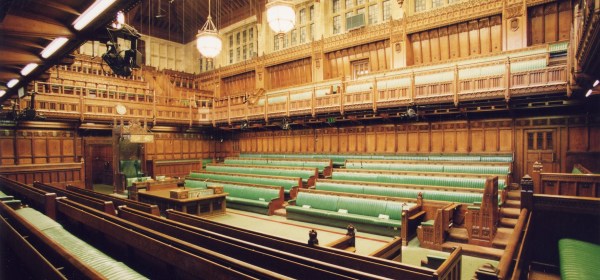
Written by Raian Hossain. Most importantly, the debate at the House of Commons has highlighted a strong unity among different political parties’ parliamentarians in bolstering ties with Taiwan in all possible ways, be it economic, helping the island in international recognition, along with ensuring peace, security, and stability across the Taiwan Strait region. The cross-party unity approach ensures much more robust ties between UK-Taiwan in the upcoming days despite which party forms government in London in future.

How a Discursive Shift Signals the Presence of a New Liberal, Progressive Taiwan in British Foreign Policy Conceptions

Written by Max Dixon. A debate in the House of Commons on February the 10th saw the emergence of a qualitatively divergent discourse on Taiwan within British politics. The motion, which all parties support, saw Alicia Kearns MP calling for tangible action from the government on UK-Taiwan relations. However, more important than the specific requests made was the nature of the debate and the language used within it to address Taiwan’s relationship to the UK and China.

Taiwan’s international space: expanding or contracting? Shining at the Summit for Democracy but losing Nicaragua

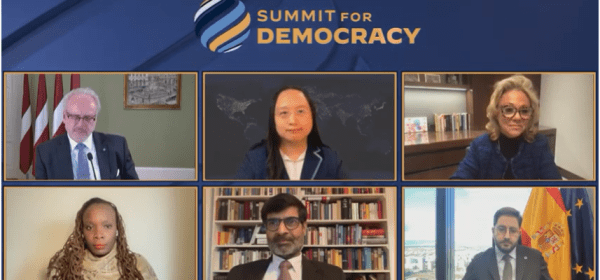
Written by Gerrit van der Wees. December 9 and 10, 2021 proved to be an interesting moment for Taiwan’s international space: on the one hand the country was invited to President Biden’s Summit for Democracy in Washington, where Digital Minister Audrey Tang gave a stellar performance in showcasing how Taiwan has enhanced its democracy in spite of the threats posed by China, and the hardships caused by the Covid-19 pandemic. On the other hand, on December 9, 2021 it was announced that Nicaragua was switching its diplomatic ties from Taipei to Beijing, reducing the total number of formal diplomatic ties down to fourteen.

Technology is the new Priority in Central and Eastern Europe’s Accelerating Relations with Taiwan

Written by Richard Q. Turcsanyi and David Hutt. On October 20-30, Slovakia, the Czech Republic, and Lithuania will receive a large business delegation from Taiwan led by National Development Council Minister Kung Ming-hsin. This will include the Minister of Science and Technology, Wu Tsung-tsong, and the new Director-General of Taiwan’s National Space Organization (NSPO), Wu Jong-shinn. In the meantime, foreign minister Joseph Wu will also visit Slovakia and the Czech Republic during the same time.

The Western Gaze: Modern Art and Cultural Diplomacy in 1950s and 1960s Taiwan

Written by Man-hua Chen. Taiwanese modern art burgeoned in the Japanese colonial period. After World War II, along with the change in regime in Taiwan, participation in international art exhibitions as a country became an essential cultural and diplomatic means adopted by the ROC government. The original motive behind this initiative was purely political; nevertheless, it has been a key driver for promoting the development of modern art in Taiwan.

Taiwan with a Side of New Public Diplomacy

Written by Martin Mandl. At about the same time as Bubble Tea made its first appearance in Vienna, President Ma Ying-jeou proclaimed “taking Taiwan’s food to the world a policy priority”. What followed was an economic stimulus plan, sometimes referred to by commentators as “All in Good Taste – Savour the Flavours of Taiwan”.

China and Taiwan: The ‘One-China’ Policy and the Controversy of ‘Vaccine Diplomacy’

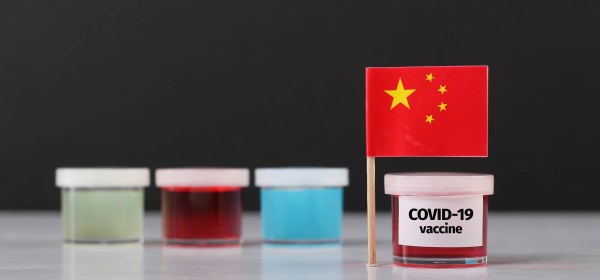
Written by Daouda Cissé. Since the beginning of the Covid-19 pandemic, China has exerted its influence at home and abroad through providing personal protective equipment (PPE), masks, medical equipment and so on. Due to its capacity to manufacture such equipment based on its past experience to survive other pandemics, it seems that China was a bit more prepared than other countries to face the Covid-19 pandemic.

Gastrodiplomacy in Contemporary International Relations of Asia and Its Relationship to Everyday Nationalism: A Reflection on the Gastronomic Campaigns of Taiwan, Thailand, and South Korea

Written by Fatimaah J Menefee. Culinary diplomacy, food diplomacy, gastronationalism, and gastrodiplomacy are applied liberally to describe food and diplomacy in contemporary international relations. Culinary Arts as a medium in diplomacy dates to the genesis of humankind. Consider Peaches of Immortality, protected by the Queen Mother in Ancient China, that served as a reward to all faithful mortals and immortals.

Taiwan’s Non-Traditional Diplomacy During the Pandemic: The Case of Mexico

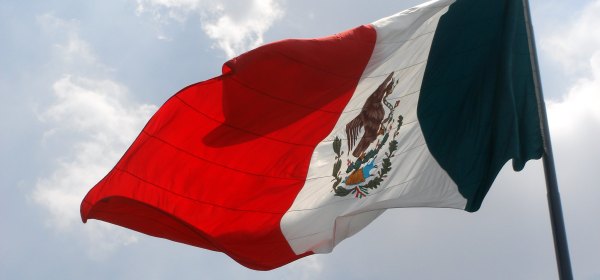
Written by Fabricio A. Fonseca. In the spring of 2020, the social media accounts of the Taipei Economic and Cultural Representative Office (TECRO) in Mexico City began to share posts made by Mexican federal legislators. In these posts, they showed appreciation for the donations made by Taiwan’s representatives in the country under the difficult circumstances posed by the COVID-19 pandemic. Initially, those donations consisted of food baskets and eventually included thousands of face masks. The different images of people across Mexico receiving boxes with the slogan “Taiwan Can Help” (TCH) made me think about how authorities on the island were using different instruments associated with non-traditional diplomacy.

Taiwan’s Green Diplomacy and the 1996 Taiwan Strait Crisis: The Legacy of Penny Kemp’s Taiwan Visit

Written by Dafydd Fell. Twenty-five years ago, Taiwan was amid the 1995-1996 Taiwan Strait Crisis and its first direct presidential campaign. It was not only the closest China and Taiwan had come to military conflict since the late 1950s but also the moment that Taiwan was first internationally recognised as a full democracy. At this crucial moment in Taiwan’s modern history, the Green Party of England and Wales issued a press release with the headline ‘Penny Helps Taiwan Greens Win Seat.’

1 4 5 6 7 8 9