Art Education for the Real World: An Interview with an Artist-Teacher Pin-Hsuan Tseng

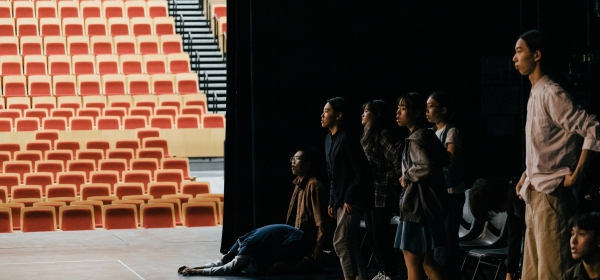
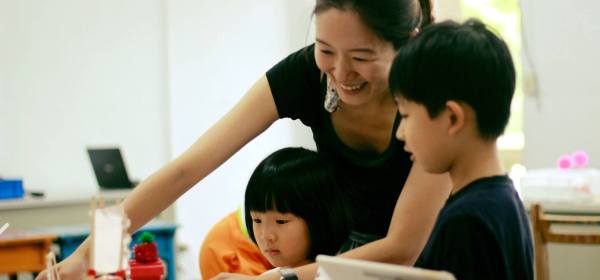
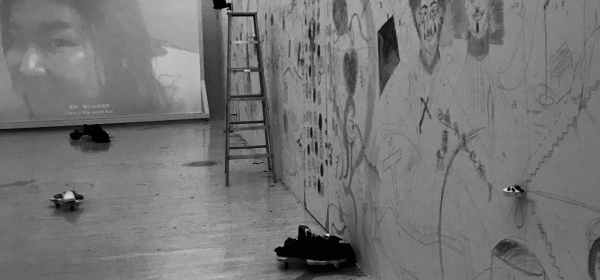
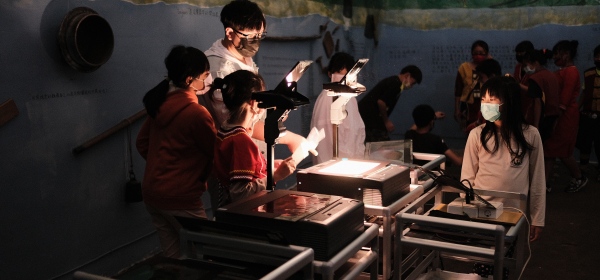
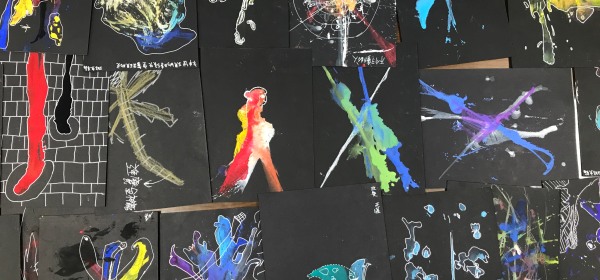
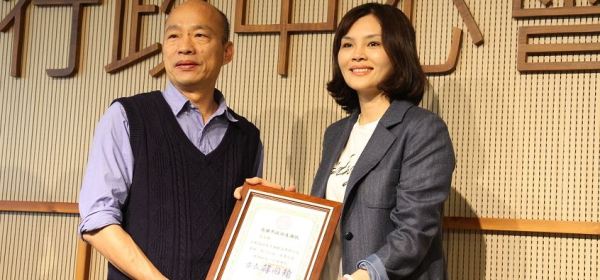
Written by Yi-Cheng Sun; translated by Yi-Yu Lai. Pin-Hsuan Tseng taught art at Gongliao Junior High School in New Taipei City from 2012 to 2022. Besides being an art teacher, she is well-known for her 2017 initiative called the “Ordering Dishes to End Discrimination” movement. This gentle movement embedded in everyday life aimed to restore the proper name of “Fushan lettuce,” which is commonly referred to as “mainland girl”, with underlying discrimination against females from China. Regarding nationality and gender, Taiwanese media once used “mainland girl” to refer to Chinese prostitutes who arrived illegally in Taiwan, while the smooth appearance of Fushan lettuce was thought to correspond with this image.

The Development of Taiwan Studies at Roma Tre University

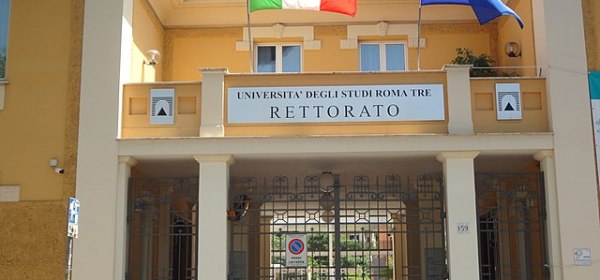
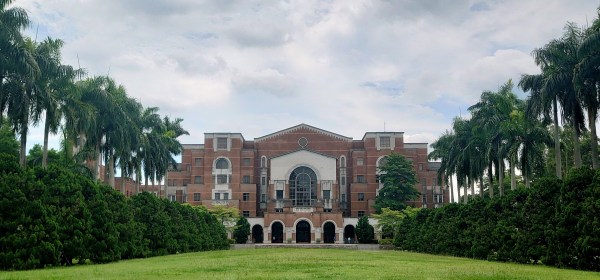
Written by Rosa Lombardi and Silvia Schiavi. Since 2012, Roma Tre University carried out a series of activities to promote the knowledge and dissemination of Taiwanese culture and literature, contributing to the development of Taiwan studies in Italy. Before that, there was very little or no space devoted to Taiwanese literature in Italian universities, and courses in modern and contemporary Chinese literature mainly still deal with Chinese mainland literary production. Given this scarcity of studies on Taiwan in Italy, Prof. Rosa Lombardi and Dr Silvia Schiavi have promoted and implemented a series of events to raise awareness about the island and foster a better understanding of the Sinophone world through the introduction of Taiwan’s rich culture, history and literature to the students and the general public.

Indigenous Storytelling in and Beyond the Classroom

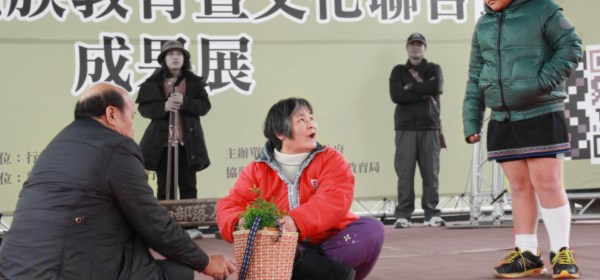
Written by Yi-Yu Lai. One afternoon in 2011, Hong-sui Lim visited a Kaxabu village due to his participation in an anthropological camp. This marked his first encounter with the Kaxabu people, one of the Plain Indigenous groups inhabiting the Puli Basins in central Taiwan. Lim was astonished by the small number of Kaxabu elders who still speak their mother tongue, as it is commonly believed that Plain Indigenous peoples have been assimilated by Han Chinese culture and have lost their own languages and traditions. As a result, Lim returned to the Kaxabu communities as an undergraduate student to learn more about their endangered cultural heritage and began collaborating with the Kaxabu people. 

Transformation of Women’s Status in Taiwan, 1920-2020

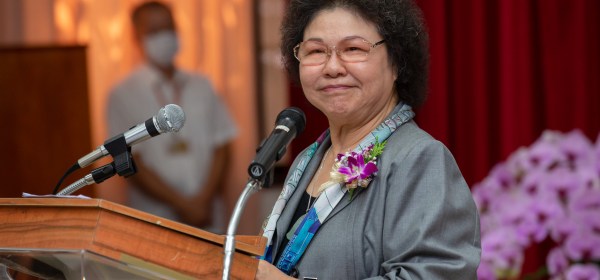
Written by Doris T. Chang. Among all the gains made by Taiwanese women in the past century, achieving leadership roles in the political arena is perhaps Taiwanese women’s greatest achievement. During the Japanese colonial era, women had no right to vote. However, after lifting martial law in 1987, Taiwan emerged as a vibrant democracy. Due to political parties’ commitment to nominating more qualified women candidates for elections in the late 1990s and after that, the percentage of women elected to Taiwan’s Legislative Yuan reached 42 per cent in 2020 — the highest in Asia. This is equivalent to the percentage of women legislators in most Scandinavian countries. But Taiwanese women’s achievement in the political arena would not have been possible without making significant progress in their educational attainment throughout the twentieth century.

Roots and Routes in the Malay World and Beyond: Dialogues Between Singapore and Taiwan

Written by Doris Yang. In 2021, five artists/researchers from Singapore, Malaysia, and Taiwan gathered to present their project, The Malay World Project: Roots & Routes, in an online event held by Taipei Performing Arts Center. This event was inspired by a research project asking, ‘Where do the Malays originate?’ Not only did the project study the diaspora of Malay peoples around the Asia-Pacific, but it also created a space for dialogue between Taiwan’s Indigenous people and Malay in Singapore and Malaysia on the issues of identity and belonging. This article compares the advocacy experiences of Malay people in Singapore and Indigenous people in Taiwan. I argue that there is space to foster additional connections and collaborations between the civil societies among these two groups.

‘Dissertation Gate’, Candidates’ Background and the 2022 Local Elections in Taiwan

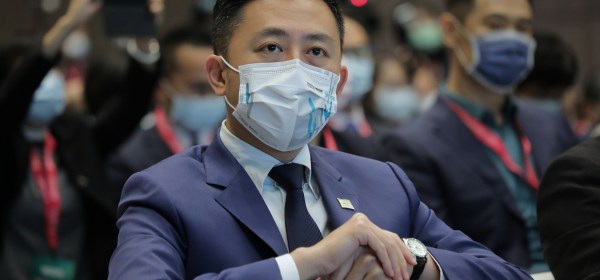
Written by Mei-Chuan Wei. The term ‘Dissertation Gate’ has been used by the media and general public to highlight an issue which marked the 2022 local election campaign in Taiwan. It refers to the phenomenon unseen before the mayoral by-election of Kaohsiung City in 2020, when the candidate of the Kuomintang (the KMT) Mei-jhen Li (李眉蓁) was fiercely criticised for plagiarism in her Master’s dissertation. Li publicly apologised for her plagiarism after the university from which she obtained her Master’s decided to revoke her degree. Whether or not plagiarism was the major factor contributing to Li’s failure in the election remains to be proved. Yet negative campaign strategies focusing on candidates’ dissertations, specifically plagiarism, have become increasingly popular among almost all parties since then.

Why Does Education Affect Local Elections in Taiwan?

Written by Yu-tzung Chang. What is more worrisome is that the majority of candidates in this local election have adopted a negative campaign strategy and have not put forward specific policy proposals, which may lead to more confrontation in society in the future. Political polarization has produced a crisis of democracy in Western countries. Traditional political polarization is being replaced by affective polarization, in which partisans are hostile to supporters of other parties and regard them as the main enemy. Taiwan is no exception to these developments. This will have a potentially negative effect on the development of Taiwan’s democracy.

Promoting Taiwan Studies is about spending money strategically: My user’s experiences as a senior abroad professor in Taiwan Studies

Written by Yi-Ling Chen. The dialogue about if Taiwan studies can be a part of Sinology (Perkuhn and Chien v.s. Wang and Achen) is interesting. Both groups mention the problems of job markets and the sustainability of the institutions. Thirty years ago, the choice of Taiwan research could be academic suicide. Nowadays, the situation is improving only slightly because of the persistent challenges of job opportunities and attractiveness for students and audiences. As Taiwan Studies is a part of soft power, strategic thinking is necessary for the funding agencies to ensure success.

Cultivating Support from a Distance: The Transnational Activism of Taiwan Alumni Associations in Southeast Asia

Written by Ratih Kabinawa. Since Tsai Ing-wen won power in 2016, Taiwan has experienced increased international isolation. Beijing stepped up its offensive policy toward Taiwan by blocking Taipei’s participation in international forums, for example, in the WHA, WHO, and International Civil Aviation Organisation (ICAO). The PRC also exercised its dollar diplomacy to push Taiwan’s remaining diplomatic allies to switch recognition from Taiwan to China. As a result, during Tsai’s first term (2016-2020), Taiwan lost its major diplomatic allies, leaving the country with only thirteen diplomatic allies. Consequently, the Taiwanese government has looked to overseas communities to enhance its image and visibility, including Taiwan alumni associations. The Tsai administration has given these overseas communities a significant role under Taiwan’s New Southbound Policy (NSP). 

Two Young Indigenous Scholars are Promoting Indigenous artists – in Taiwan and Beyond.

Written by Fanny Caron. Lin and Ismahasan’s academic disciplines and the career path they have chosen to highlight a change in Taiwan Indigenous studies on an international level. These choices enable them to play a part in shifting the discourse on Indigenous Peoples from “objects” of study to active “subjects” of their own (counter-) narrative, supporting their affirmation of Indigeneity and tribal sovereignty.

A Bilingual Nation? What are the Efforts from Southern Taiwan Stakeholders?

Written by Brian Doce. In 2018, Taiwan President Tsai Ing-wen announced the government’s objective to transform Taiwanese society into a bilingual nation to elevate the English fluency of the Taiwanese people and upgrade the country’s national competitiveness. Looking at the current blueprint published by the National Development Council, the plan’s enumerated key performance indicators (KPI) show a government-centric outlook by emphasising the simultaneous use of Mandarin and English by government agencies for respective services.

1 2 3 4