
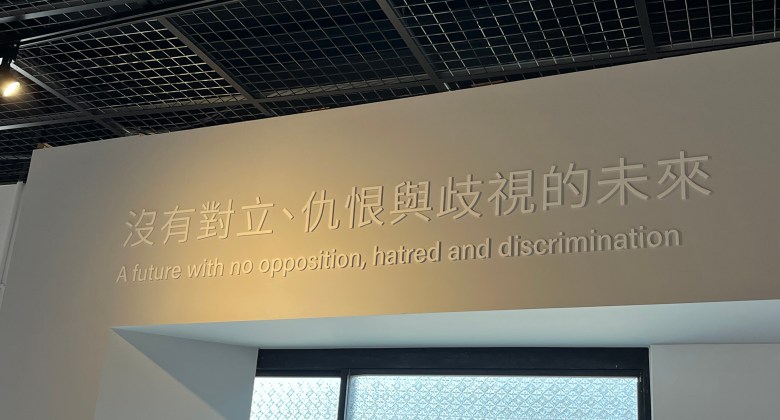
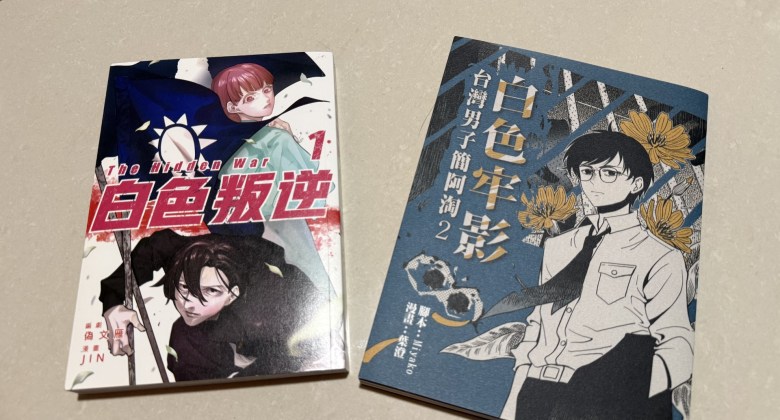
Written by Chee-Hann Wu. This article reflects a personal memory and classroom discussion; she explores the ethical responsibilities of artists when representing traumatic historical events. Emphasising consent, historical accuracy, and self-awareness, the piece argues that storytellers and audiences alike must engage critically with how collective trauma is portrayed and remembered in art and media.

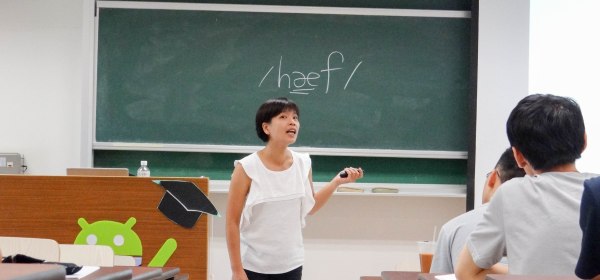
The Global, the Local and Intercultural Communicative Competence in Taiwan
Written by Jenna Lynn Cody. Since its inception, the “Bilingual by 2030” initiative has drawn widespread criticism, primarily focused on a single titular keyword: bilingual. Social media posts citing “Mandarin” and “English” as the target languages of “Bilingual by 2030” by Vice President William Ching-te Lai certainly didn’t help. An initial focus on the possibility of making English a “second official language” in Taiwan and a failure to assuage worries that everyone would be forced to learn English made matters worse.





 Taiwan Insight