
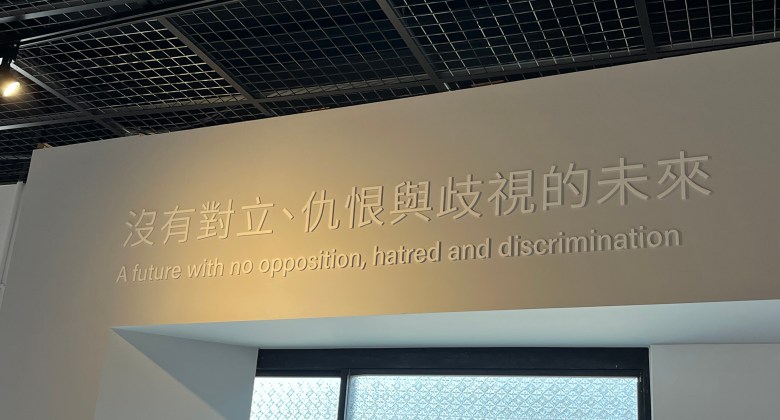
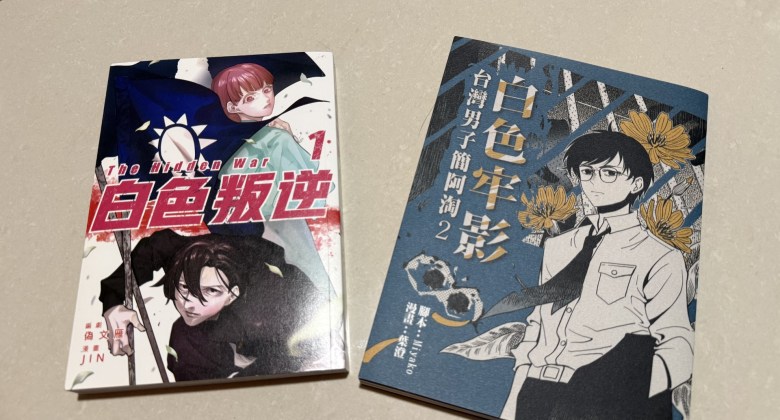
Written by Chee-Hann Wu. This article reflects a personal memory and classroom discussion; she explores the ethical responsibilities of artists when representing traumatic historical events. Emphasising consent, historical accuracy, and self-awareness, the piece argues that storytellers and audiences alike must engage critically with how collective trauma is portrayed and remembered in art and media.
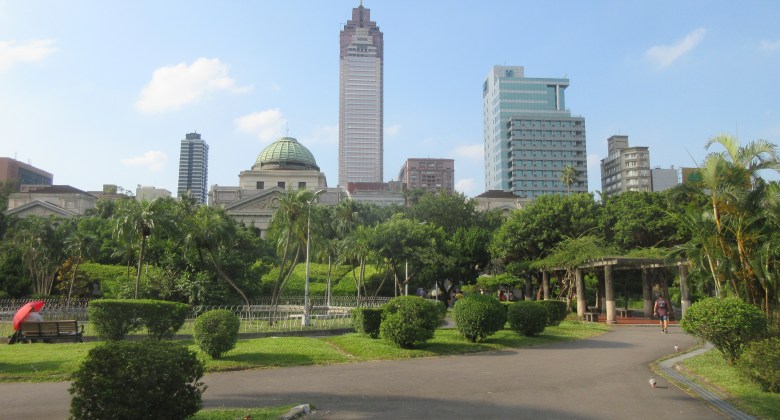
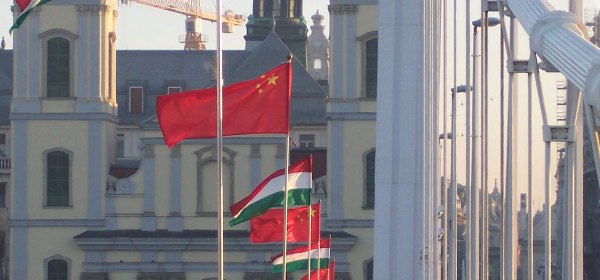
Clash of Mask Diplomacies? The COVID-19 and Changing Perceptions of China and Taiwan in Central and Eastern Europe
Written by Tamás Peragovics and Ágnes Szunomár. It has become a truism that China’s mask diplomacy seeks to enhance the country’s global standing in the wake of the Covid-19 pandemic. By exporting medical aid and equipment, the Beijing Government rushes to the rescue of countries still struggling to contain the virus. Positioning itself as saviour rather than villain, China’s motivation is to cultivate a global aura of blissful ignorance with regards to the outbreak’s early mismanagement, including the silencing of Chinese whistle-blowers who emphasized contagion risks and tried to warn of the severity of the new pathogen.





 Taiwan Insight