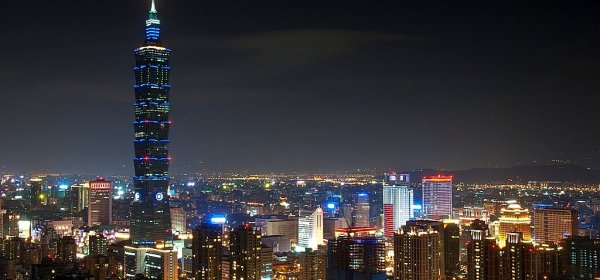
The Limits of Taiwan’s Bet for the Quad

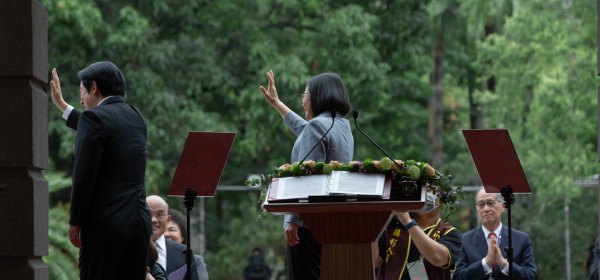
Written by Joshua Bernard B. Espeña. China’s aggressive rise for regional dominance continues to upset the rules-based order. The United States, together with Japan, Australia, and India are seeking to balance the power through the Quadrilateral Security Dialogue (Quad). The Quad met in a face-to-face meeting this October in Tokyo and discussed their common interest to uphold a free and open Indo-Pacific.
The New Japanese Prime Minister’s Policy on China and its Implication for Taiwan

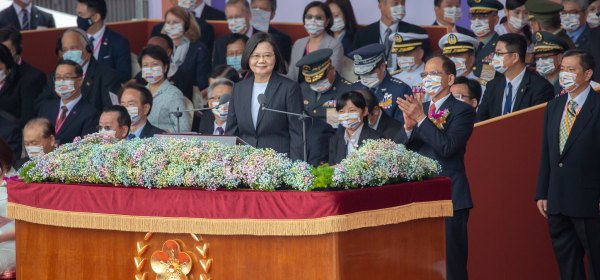
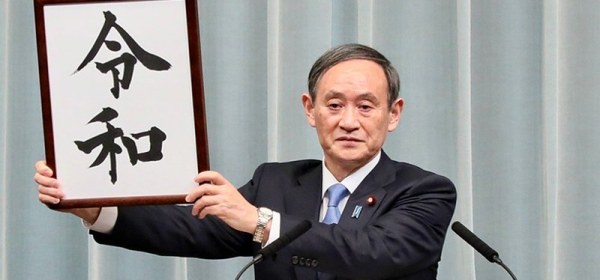
Written by Fumiko Sasaki. After almost eight years, Yoshihide Suga became the Japanese prime minister after Shinzo Abe stepped down. This change happened amid a pandemic and a geopolitical crisis. While states have been preoccupied with Covid-19, China has become more aggressive globally. In light of the US presidential election, the Trump administration has toughened its attitude toward China. In Japan, Taro Kono – the Defence Minister until mid-September – called China a ‘security threat,’ the first time China was officially labelled as such. Suga is reported to be ready to talk to the President of Taiwan. Will Suga be tougher on China?

Today Hong Kong, Tomorrow Taiwan”: Taiwan’s Strategic Conundrum

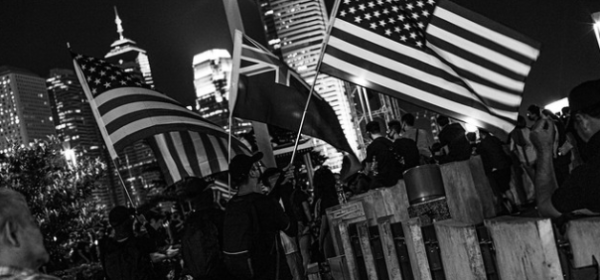
Written by Ferran Perez Mena. During the past year, the Hong Kong protests, along with the newly approved National Security Law, have generated much anxiety in Taiwan. They have been perceived by both the DPP’s political elite and the Taiwanese public as a premonition of what lies ahead for Taiwan. One of the popular slogans of the protests, “Today Hong Kong, Tomorrow Taiwan” (今天的香港,明天的台灣), perfectly epitomises the widespread unease that such political events are producing and the apparent inevitability of Taiwan’s downfall.

How Taiwan Wins the Hearts of Southeast Asian States

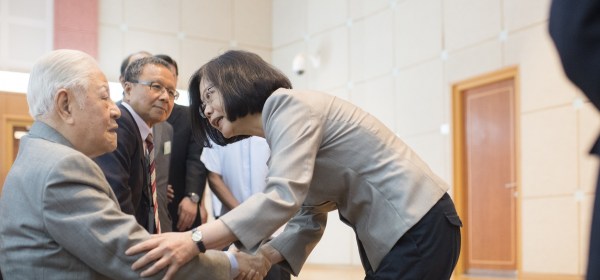
Written by Ratih Kabinawa and Jie Chen. President Lee Teng-hui transformed ROC Taiwan’s foreign policy from a rigid “man and bandits don’t co-exist” mindset, a dictum which defined the Chiangs’ era, to one focusing on pragmatic diplomacy. This stance emphasised flexible ways to promote Taiwan’s international standing as its own legitimate sovereign state. President Lee used Taiwan’s achievement as a new democracy with impressive economic and technological prowess to win fresh international sympathy and support.

Prospect of Malaysia as the Gateway for Taiwan’s New Southbound Policy (NSP) Push

Written by Karl Chee Leong Lee. Despite lingering pessimism surrounding the impact of COVID-19 on Southeast Asia’s economy, Malaysia has unexpectedly enjoyed a new wave of Taiwanese investment. According to official figures released by the Malaysian Investment Development Authority (MIDA) last April, the value of inbound manufacturing-based investment from Taiwan has increased seven-fold. In 2019 Taiwan became the fourth largest FDI source for Malaysia’s manufacturing sector after China, the US and Singapore.

Taiwan and 21st Century Chinese Realpolitik

Written by Aidan Hall. The existence of China’s impressive military and economic strength is nothing new. It seems long ago that Beijing abandoned Deng Xiao Ping’s “hide your strength and bide your time” principle. To be sure, China is now more comfortable than ever being placed alongside the US and Russia as one of the world’s major powers. Awareness of China’s geopolitical significance is also nothing new (…) What is new, however, is China’s use of its military and economic muscle to improve its geopolitical position in profoundly aggressive ways.

Tsai’s Second Term and the Taiwan Strait: Greater Clarity, Same Challenges

Written by J. Michael Cole. The first four years under the Tsai Ing-wen administration have brought greater clarity regarding Beijing’s attitude toward Taiwan and its democracy. Although in the months prior to her inauguration on May 20, 2016, it was still possible to imagine that the two sides could find a modus vivendi despite Beijing’s longstanding antipathy toward the Democratic Progressive Party, Beijing almost immediately adopted an unforgiving course of action which soon poisoned the relationship.

Taiwan’s Defence Quandary – American Ally or Protectorate?

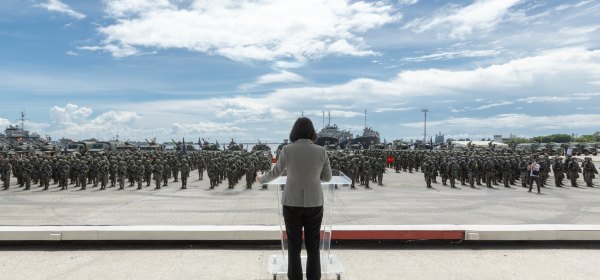
Written by Corey Lee Bell. The Overall Defence Concept (OCD), which was first outlined in 2017 by Taiwan’s revered former Chief of General Staff, Admiral Lee Hsi-ming, represented a paradigmatic shift in Taiwan’s approach to its defence. Many foreign analysts felt it marked a watershed moment in which the island’s leaders had finally cast aside national pride, and embraced an approach to Taiwan’s defence that belatedly acknowledged what they had been saying for years – that the balance of power across the Taiwan Strait had well and truly shifted in China’s favour.

1 8 9 10 11 12 14