
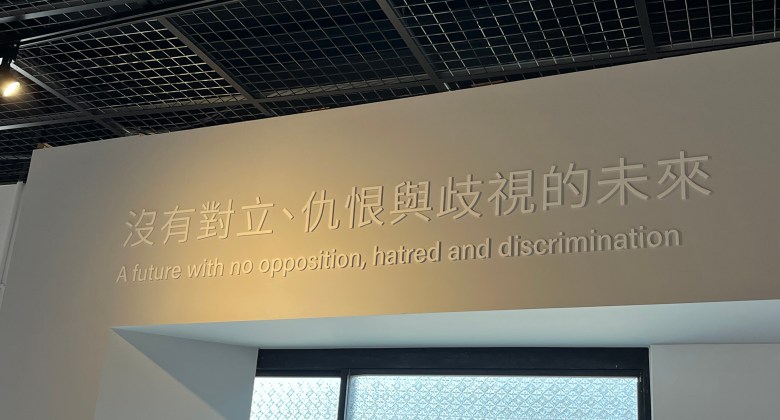
Written by Chee-Hann Wu. This article reflects a personal memory and classroom discussion; she explores the ethical responsibilities of artists when representing traumatic historical events. Emphasising consent, historical accuracy, and self-awareness, the piece argues that storytellers and audiences alike must engage critically with how collective trauma is portrayed and remembered in art and media.

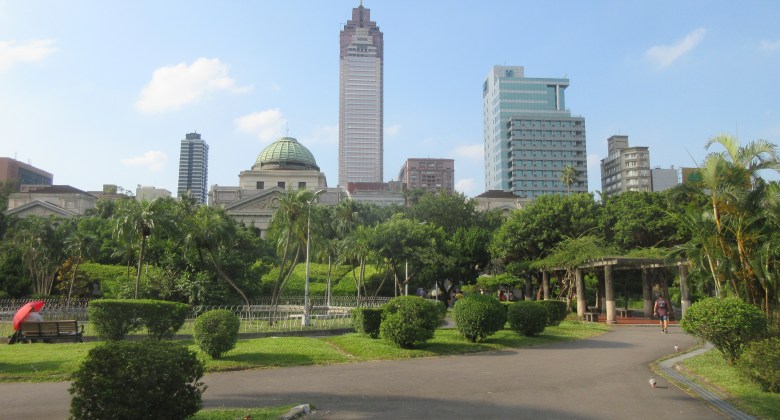

Sight and Sound: Conversations on Death Penalty between Taiwan and Southeast Asia
Written by Kar-Yen Leong. In an article by Franklin Zimring and David Johnson, we are reminded of the importance of studying the death penalty in Asia as it is the site of “…at least 85 per cent and as many as 95 per cent of the world’s execution.” The authors add that the region is a key battleground as to whether this practice will continue or become a remnant of a less civilised past. This struggle is no more intense than in East and Southeast Asian states, where the death penalty is not only an indelible part of only their legal systems but also their very societies. The decision to retain or abolish the death penalty has become a matter of intense soul-searching among states such as Taiwan, South Korea, Singapore, and Malaysia, navigating landscapes replete with ghosts of colonial and authoritarian pasts. For these countries, the state’s power over life and death is a direct extension of its sovereignty. Giving up this power is to lose that sovereignty, but it also means the loss of a weapon of last resort forged to keep the forces of chaos at bay.







 Taiwan Insight